

The Neuroscience of Touch
Touch is the first sense we develop and the last one we lose. Yet in our hyper-digital world, we’re experiencing what neuroscientists call “touch starvation” — a chronic deficit of meaningful physical sensation that affects everything from our stress hormones to our sleep quality.
Research from the University of Miami’s Touch Research Institute has consistently shown that intentional touch stimulation triggers a cascade of beneficial neurochemical responses: cortisol drops, oxytocin rises, and the parasympathetic nervous system activates. In simple terms, your body literally heals through touch.
From Clinical to Personal: The Evolution of Touch Therapy

Historically, touch therapy existed primarily in clinical settings — massage therapy, physical rehabilitation, and medical treatment. But a growing body of research supports what many have intuitively known: self-administered touch therapy is equally powerful.
The key insight is intentionality. Random physical contact provides minimal benefit. But when touch is deliberate, rhythmic, and focused, it activates specific neural pathways associated with deep relaxation and emotional regulation.
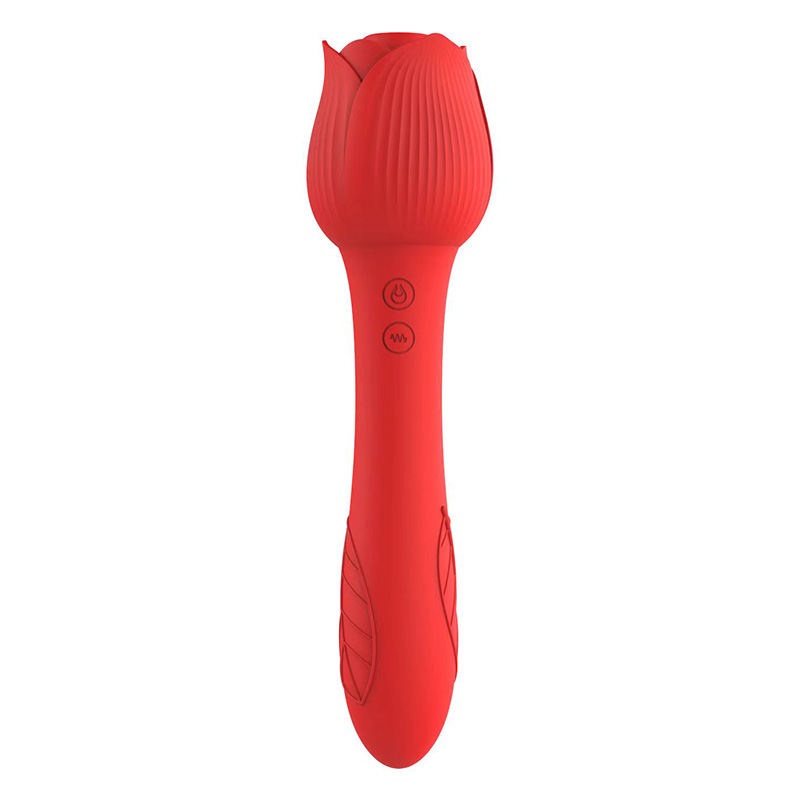
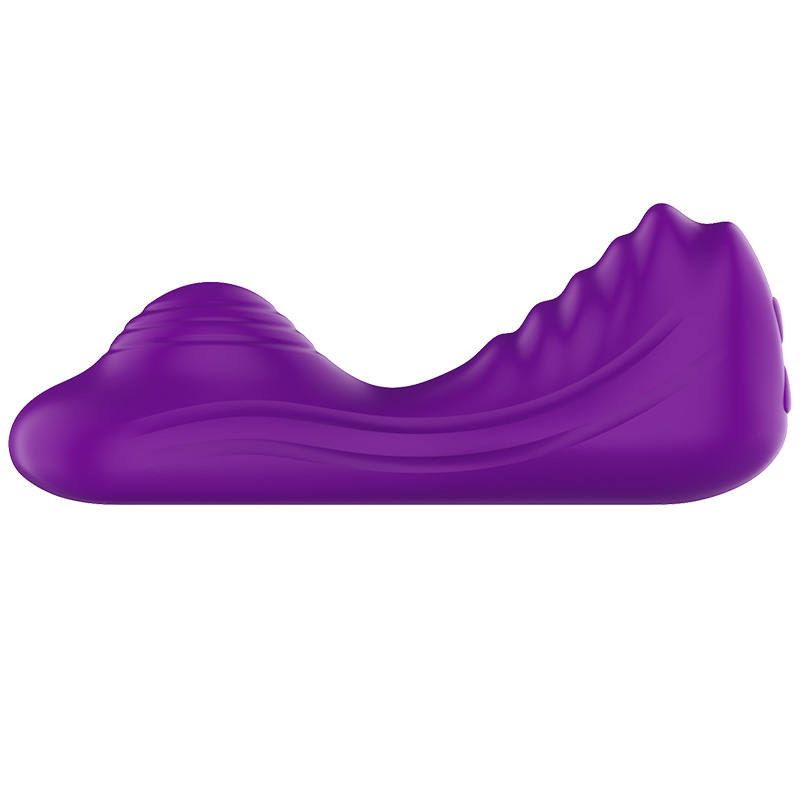
This is precisely what modern wellness devices are engineered to provide. Technologies like air-pulse stimulation mimic the rhythmic, wave-like patterns that our nervous system responds to most favorably — without requiring a partner or a professional.
The Four Pillars of Sensory Wellness
- Oxytocin Release: Often called the “bonding hormone,” oxytocin reduces anxiety, lowers blood pressure, and promotes feelings of trust and safety. Intentional touch is one of the most reliable triggers.
- Cortisol Regulation: Chronic stress keeps cortisol elevated, disrupting sleep, digestion, and immune function. Regular sensory stimulation helps reset your stress baseline.
- Dopamine Pathways: Pleasurable sensation activates reward circuits, but unlike screen-based dopamine hits, physical pleasure creates sustained satisfaction without the crash.
- Parasympathetic Activation: The “rest and digest” nervous system is essential for recovery. Sensory wellness practices shift your body out of fight-or-flight mode.






Building a Sensory Wellness Practice
1. Schedule It Like Any Other Wellness Activity
You schedule workouts, meditation, and skincare routines. Your sensory wellness deserves the same intentionality. Even 15 minutes twice a week can produce measurable benefits in stress reduction and sleep quality.
2. Create a Sensory-Rich Environment
Dim lighting, comfortable temperature, and pleasant scents aren’t luxuries — they’re signals that tell your nervous system it’s safe to relax. This environmental priming amplifies the benefits of any touch therapy practice.
3. Track Your Response
Notice how you feel before and after. Many people report improved sleep on days they practice sensory wellness, reduced anxiety levels, and a greater sense of embodiment throughout the following day.
Wellness Is Wholeness
True well-being isn’t just about what you eat, how you move, or what you think. It’s about how fully you inhabit your body. Sensory wellness is the missing piece in most modern wellness routines — and it’s time to reclaim it.