How to Reconnect With Your Partner After Pandemic Isolation Changed Everything
If you are trying to reconnect with your partner after pandemic isolation reshaped your relationship, you are not alone. Couples therapists report that many partners who weathered lockdowns together — or apart — now feel like strangers sharing a home. The routines that kept you afloat in crisis mode may have quietly replaced genuine intimacy. The good news: reconnection is not only possible, it can lead to something deeper than what you had before.
In this article, a couples therapist perspective guides us through understanding why pandemic isolation created such lasting shifts in relationships — and what practical, gentle steps you can take to find your way back to each other.
The Scene You Might Recognize
You are sitting across from each other at the dinner table. The pandemic restrictions lifted years ago, but something still feels off. Conversations that once flowed easily now circle around logistics — who is picking up groceries, what time the appointment is, whether the dog has been fed. You glance at your partner and realize you cannot remember the last time you talked about something that mattered. Not because you stopped caring, but because somewhere during those long months of isolation, you both learned to operate on parallel tracks. Efficient. Functional. And quietly lonely.
This is one of the most common scenes couples therapists describe when they talk about the aftermath of pandemic isolation on relationships. It is not dramatic. There was no affair, no blowout argument. Just a slow, almost invisible drift that now feels permanent.
Why Does My Relationship Feel Different After the Pandemic?
This is the question that brings many couples into therapy years after lockdowns ended. They cannot pinpoint what changed, only that something did. The confusion itself can feel isolating — especially when the rest of the world seems to have moved on.
According to couples therapists, the pandemic did not just interrupt routines. It fundamentally rewired how many partners relate to each other. During prolonged isolation, couples developed survival-mode dynamics: one person became the emotional anchor while the other withdrew. Or both partners retreated into separate coping mechanisms — screens, work, solo hobbies — and never quite came back together.
What makes this particularly difficult is that these patterns were adaptive at the time. They helped you get through an unprecedented crisis. But adaptive behaviors in a crisis can become rigid habits in ordinary life. The wall you built to manage anxiety does not automatically come down when the threat passes.
What Couples Therapists Actually Say About Reconnecting After Isolation
Mental health professionals who specialize in relationship dynamics have observed a distinct pattern in post-pandemic couples. Unlike couples dealing with a single traumatic event, these partners are navigating a slow accumulation of emotional distance that built up over months or even years. The challenge is not repairing a rupture — it is thawing a freeze.
“What I see most often is couples who genuinely love each other but have lost the language of closeness. During pandemic isolation, they learned to need less from each other emotionally — and now they do not know how to need more again. Reconnection is not about going back to who you were. It is about learning who you each became and choosing to meet that person with curiosity instead of grief.”
This insight highlights something important: the goal is not to rewind. Many couples make the mistake of trying to recreate pre-pandemic rituals or dynamics, and feel like failures when those old patterns no longer fit. A couples therapist will typically encourage partners to treat this as a new chapter rather than a restoration project. You are not broken. You are different. And different can become something richer if you approach it honestly.
Therapists also note that pandemic isolation affected each partner differently. One may have discovered a need for more solitude. The other may have realized how much they depend on social connection outside the relationship. These individual shifts are not threats to the partnership — they are information. The work is in learning to hold space for both.

Practical Ways to Reconnect With Your Partner After Pandemic Distance
Couples therapists emphasize that reconnection does not require grand gestures. It requires small, consistent acts of presence. Here are approaches that professionals recommend for partners working to close the emotional gap that pandemic isolation created.
1. Start With a Daily Check-In That Is Not About Logistics
Set aside ten minutes each day — ideally at the same time — to ask each other one question that has nothing to do with tasks or responsibilities. “What is something you felt today?” or “What is on your mind that you have not said out loud?” These questions can feel awkward at first, especially if your communication has narrowed to the purely functional. That awkwardness is normal. It means you are stretching a muscle that has been resting for a long time. Couples therapists call this “re-learning emotional fluency,” and it is one of the most effective tools for couples navigating post-pandemic disconnection.
2. Acknowledge the Pandemic Grief You Never Named
Many couples skipped the step of grieving what the pandemic took from them — not just external losses, but the loss of the relationship rhythm they once had. Sitting down together and simply naming what changed can be surprisingly powerful. “We used to cook together on Sundays. I miss that.” “I think I pulled away because I was scared and did not know how to say it.” This is not about blame. It is about witnessing each other’s experience of a shared crisis. Therapists often describe this as “co-narrating your pandemic story” — creating a shared understanding of what happened to you as a couple, not just as individuals.
3. Reintroduce Physical Closeness Without Pressure
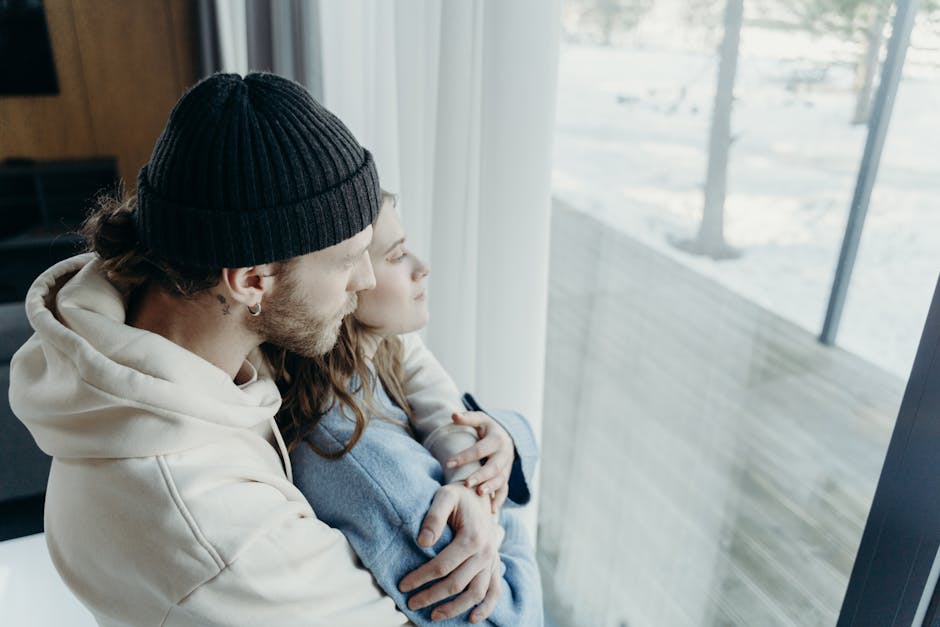
When emotional distance has been present for a long time, physical intimacy can feel loaded with expectation. Couples therapists suggest starting with non-sexual touch: holding hands during a walk, sitting close on the couch, a longer-than-usual hug before bed. The goal is to rebuild the nervous system’s comfort with closeness. Pandemic isolation taught many people to self-regulate in solitude. Learning to co-regulate again — to feel genuinely soothed by your partner’s presence — takes time and patience. Let touch be an offering, not an obligation.
4. Create One New Shared Experience Each Week
Novelty is a well-documented driver of relational bonding. But after years of restricted living, many couples fell into repetitive routines and never broke out. You do not need to plan elaborate dates. Visit a neighborhood you have never explored. Try a recipe from a cuisine you have never cooked. Take a class together. The point is to generate shared memories that belong to this chapter of your relationship — not the one before. New experiences create new neural pathways of connection, giving you something fresh to talk about and build on together.
5. Consider Professional Support as a Strength, Not a Last Resort
If the distance between you feels too wide to bridge on your own, working with a couples therapist is not a sign of failure. It is a sign that you value the relationship enough to invest in it. Many therapists now specialize in post-pandemic relationship dynamics and can offer frameworks tailored to what you are experiencing. Even a few sessions can provide language and tools that make the daily work of reconnection more manageable.
You May Also Like
- How We Relearned Intimacy After 18 Years Together
- Can Wellness Technology Help Couples Reconnect?
- How to Talk to Your Partner About Trying Something New
Tonight’s Invitation
Tonight, try this: sit with your partner for five minutes with no screens, no agenda, and no task list. You do not have to talk about anything deep. You can simply be in the same room, present to each other, without performing productivity or cheerfulness. If it feels strange, let it. Strangeness is the feeling of a door reopening. You do not have to walk through it all at once. Just notice that it is there.
A Final Thought
The pandemic changed how millions of couples relate to each other, and those changes did not vanish when restrictions lifted. If your relationship feels different now, that is not evidence of something broken — it is evidence that you both went through something enormous. Reconnection is not a single conversation or a weekend getaway. It is a quiet, daily practice of choosing to turn toward each other again. You survived something extraordinary together. The intimacy that grows from here does not have to look like what came before. It just has to be honest, and it has to be yours.