The Quiet Act of Choosing Yourself
There is a particular kind of courage in closing the door, not because you are hiding, but because you are arriving. In a culture that measures worth by connection, productivity, and constant availability, choosing to be alone can feel like rebellion. But psychotherapists are increasingly recognizing what many of us sense intuitively: solitude self love is not a contradiction. It is a practice, a returning, and for many people, the first honest conversation they have ever had with themselves.
This piece explores why alone time wellness matters more than we think, how experts in mental health frame solitude as a therapeutic act, and what small, gentle steps you can take to rediscover the joy of your own company.
A Saturday Morning You Might Recognize
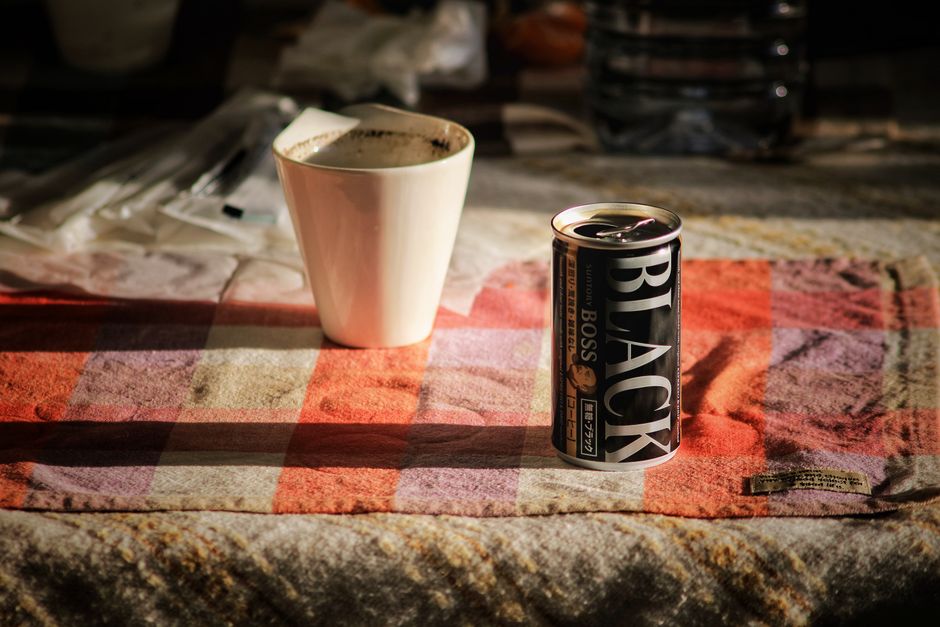
Picture this. It is early on a weekend morning. No one else is awake yet, or maybe no one else is home. The light is thin and gray-blue, the kind that makes everything feel softer. You are sitting with a cup of something warm, and for a moment, before the phone lights up, before the list begins, there is just you. The house breathes. You breathe with it.
And then, almost immediately, a strange discomfort arrives. A pull to check something, text someone, turn on a podcast. Not because you want to, but because the silence feels like it needs filling. Because somewhere along the way, you learned that being alone with yourself — truly alone, with nothing to do and no one to tend to — is something to fix rather than something to feel.
If that moment sounds familiar, you are not alone in your aloneness. And that tension you feel is exactly where the work begins.
Why Does Solitude Make Us So Uneasy?
Most of us were never taught how to be alone well. We were taught to share, to cooperate, to lean on others. All good things. But somewhere in that education, a quieter lesson slipped in: that needing solitude means something is wrong. That wanting to be by yourself is a sign of sadness, disconnection, or selfishness.
The question many people carry but rarely speak aloud is simple and surprisingly heavy: Is it okay to want to be alone? Does choosing time away from the people I love mean I love them less?
These doubts are not signs of failure. They are signs of a culture that has confused togetherness with wholeness. And untangling that confusion is one of the most important things we can do for our emotional health.
What Psychotherapists Want You to Know About Being Alone
Mental health professionals have long understood the distinction between loneliness and solitude. Loneliness is the ache of unwanted disconnection. Solitude, by contrast, is a chosen state — an intentional turning inward that creates space for self-awareness, emotional processing, and genuine rest. According to psychotherapists who specialize in attachment and self-relationship, solitude self love is foundational to how we show up in every other area of life.
“Solitude is not the absence of love. It is the place where we learn what our love actually sounds like when it is not performing for anyone else. Many of my clients discover that the relationship they have been most neglecting is the one with themselves — and that relationship can only be repaired in quiet.”
This perspective reframes alone time not as emptiness, but as presence. Psychotherapists often note that people who develop a healthy relationship with solitude tend to experience less anxiety in relationships, stronger emotional boundaries, and a clearer sense of identity. The reason is not complicated: when you regularly spend time with yourself without distraction, you begin to hear what you actually need, want, and feel — rather than what you have been told you should need, want, and feel.
Experts in this field suggest that the discomfort many people experience when alone is not a sign that solitude is harmful. It is often the surfacing of emotions that have been waiting for a quiet room in which to be heard. The therapeutic value lies not in avoiding that discomfort, but in learning to sit with it gently, the way you would sit with a friend who needed space to speak.

Practical Ways to Make Solitude Feel Like Home
If being alone feels unfamiliar or uncomfortable, that is okay. Like any relationship, the one with yourself benefits from small, consistent gestures rather than grand declarations. Here are a few practices that psychotherapists and wellness professionals recommend for cultivating solo joy and turning alone time into something nourishing rather than something to endure.
1. The Five-Minute Sit
Before reaching for your phone in the morning, sit with your hands in your lap for five minutes. You do not need to meditate. You do not need to think about anything in particular. Just notice what it feels like to not be needed by anyone for a few minutes. Notice the sounds in your space. Notice your breathing. This is not a productivity hack. It is a way of saying to yourself, I am here, and that is enough. Over time, these five minutes become a kind of anchor — a daily reminder that your presence does not need to be justified by output or service.
2. The Solo Errand, Done Slowly
Choose one errand or outing this week and do it alone, without earbuds, without a phone call, without multitasking. Walk to the coffee shop. Browse a bookstore. Sit in a park. The point is not the activity itself — it is the experience of being in public, by yourself, without apology. Many people find that this simple practice begins to dissolve the subtle shame they carry around being seen alone. Alone time wellness does not require a retreat or a spa. Sometimes it just requires a walk with no destination and no narration.
3. The Evening Letter
Once a week, write yourself a short letter. Not a journal entry, not a to-do list, but an actual letter — the kind you might write to someone you care about. Tell yourself what you noticed this week. What moved you. What tired you. What you are proud of, even quietly. Psychotherapists often recommend this practice because it externalizes the inner dialogue in a way that feels compassionate rather than analytical. You are not diagnosing yourself. You are corresponding with yourself. And that distinction matters enormously.
4. The Sensory Check-In
When you find yourself alone and restless, try this: name one thing you can see that you find beautiful, one thing you can hear that you find soothing, and one thing you can feel against your skin that you find comforting. This practice, rooted in somatic awareness techniques used in therapy, gently redirects your attention from the story about being alone to the experience of being present. It turns solitude from a concept into a sensation — and sensations, unlike thoughts, do not carry judgment.
5. The Intentional Cancellation
This one requires a small act of bravery. Once a month, cancel or decline one social obligation — not out of avoidance, but out of intention. Choose an evening that you will dedicate entirely to yourself. Cook something you love. Take a long bath. Read without a deadline. The purpose is not to isolate. It is to practice choosing yourself without guilt, and to discover what solo joy actually feels like when it is not squeezed into the leftover margins of a busy life. According to psychotherapists, learning to say no to external demands in favor of internal needs is one of the most powerful forms of self-love there is.
Tonight’s Invitation
Tonight, after the last task is done and the world has gone quiet, give yourself ten unstructured minutes. No phone. No background noise. No agenda. Sit somewhere comfortable — your bed, a chair by the window, the floor if that is what feels right. Place one hand over your chest and simply breathe. You do not need to solve anything. You do not need to feel anything specific. Just let yourself be in the room with the one person who has been with you through every single day of your life. Notice what it feels like to offer that person your undivided attention, maybe for the first time in a long while.
A Final Thought
Solitude is not a symptom. It is not a phase to move through on the way to something better. It is its own destination — quiet, warm, and remarkably generous when you stop trying to escape it. The relationship you build with yourself in those still moments does not compete with the relationships you have with others. It deepens them. It steadies them. It gives you something real to bring back to the table when you return.
You do not need permission to be alone. But if you have been waiting for someone to tell you that it is not only okay but necessary, let this be that moment. Solitude self love is not selfish. It is the foundation everything else is built on. And it has been waiting for you, patiently, in every quiet room you have been afraid to enter.