My Highlight Time is a HiMoment column where real readers share the small, often unspoken moments of self-care, connection, and discovery that shaped them. Names have been changed to protect privacy.
How a Slow Morning Routine Changed My Life at 40
By Owen, 40 — Berkeley, CA
I never thought I needed a slow morning routine. For most of my thirties, I was the guy who set three alarms, hit snooze on all of them, then sprinted through the house grabbing toast and keys. I treated mornings like something to survive, not something to live. It took turning forty — and a quiet Tuesday in February when I simply stopped rushing — to realize that doing less in the morning might be the most important thing I do all day.
I am a physical therapist. I spend my working hours telling other people to listen to their bodies, to slow down, to breathe through tension instead of pushing past it. The irony was not lost on me that I never once applied that advice to myself before seven a.m.
The Morning I Stopped Rushing
It happened without ceremony. A Tuesday. My first client had cancelled, which meant I didn’t need to be at the clinic until ten. I woke at my usual six-fifteen, and instead of launching into the routine — shower, coffee, emails, out the door — I just lay there. The light was doing that thing it does in early February in Berkeley, where the fog filters everything into this pale, silver warmth. I could hear the neighbor’s wind chimes. A dog barking somewhere far off. My own breathing.
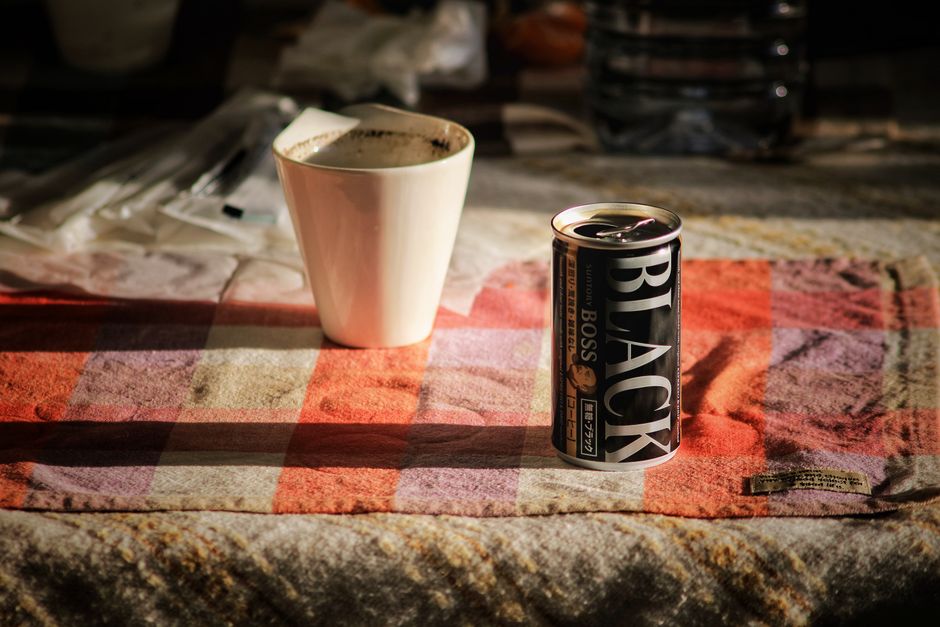
I lay there for maybe twenty minutes. Not meditating. Not doing anything intentional or optimized. Just existing in the quiet. And when I finally got up, I moved slowly. I made coffee without checking my phone. I sat at the kitchen table and watched the steam curl off the mug. I felt my shoulders drop from somewhere near my ears to where they actually belong.
That was it. That was the whole revelation. But it changed the shape of my days.
Why Slowing Down Felt So Hard at First
I want to be honest: the first few weeks of trying to build a slow morning routine felt deeply uncomfortable. I am someone who measures worth in productivity. I grew up with a father who was awake at five, already building or fixing something by the time I came downstairs. Doing less felt like being less.
There is a particular guilt that comes with stillness when the world rewards motion. I would sit with my coffee and my brain would generate a ticker tape of things I should be doing. Laundry. Client notes. That email I had been avoiding. The voice was loud, and it sounded reasonable, and for a while I listened to it.
But I kept coming back to that first Tuesday morning. How light my body had felt. How I had arrived at work that day more present, more patient, more attuned to what my clients were actually saying. The slowness was not laziness. It was preparation.
My partner noticed before I did. We had been together four years at that point, and she said something one evening that stopped me: “You seem softer in the mornings now. Like you are actually here.” She was right. I had been physically present but mentally already at work, already solving problems, already somewhere else. The slow mornings brought me back into the room.

What My Slow Morning Routine Actually Looks Like
People ask me this, and I hesitate to answer because the whole point is that it is not a system. It is not optimized. There is no app. But roughly, it looks like this:
I wake up without an alarm most days now. Somewhere between six and six-thirty. I do not touch my phone for the first hour. I make coffee — a pour-over, because the ritual of heating the water, measuring the grounds, watching the bloom, it forces me to be in my hands and not in my head. I sit by the window in our living room. Sometimes I read. Sometimes I just sit. Some mornings I stretch on the floor, working through my own hips and shoulders the way I work through my clients’ bodies during the day.
On the best mornings, my partner joins me. Not to talk, necessarily. Just to be in the same quiet space. She will bring her tea and sit on the other end of the couch, reading or sketching. There is an intimacy in shared silence that took me forty years to understand. You do not always need to be doing something together to be together.
Some evenings we have this ritual too — a kind of bookend to the day. She will run a bath or I will work the tension out of her neck and shoulders. We have a small device from HiMoment that she uses on her lower back after long days at her desk, and sometimes we pass it between us while we talk about nothing important. It has become part of the texture of our evenings, unremarkable in the best way. Like the coffee. Like the quiet.
How Doing Less Changed My Relationships
The slow mornings did something I did not expect: they made me better at listening. Not just to my partner, but to my clients, my friends, even myself. When you practice being unhurried, you start to notice how much of your life you have been skimming. Conversations you half-heard. Meals you barely tasted. Entire seasons that blurred together because you were always reaching for the next thing.
My partner and I had been in a good place, but I realized we had also been in a routine place. We talked about logistics — groceries, schedules, who was picking up the dry cleaning. The slow mornings created space for a different kind of conversation. Not deep or dramatic. Just honest. “How are you actually feeling today?” became something we asked each other over coffee, and actually waited for the answer.
She told me one morning that she had been feeling disconnected from her own body. Not in a crisis way — just in the low-grade way that accumulates when you spend your days at a screen. We talked about it without trying to fix it. I think that was the point. Sometimes people do not need solutions. They need someone to sit in the discomfort with them for a moment. I know this professionally. I am only now learning it personally.
What I Would Tell My Thirty-Year-Old Self
You do not earn rest. You do not have to justify stillness with productivity on the other side of it. A morning spent doing nothing is not a morning wasted. It is a morning lived.
I would tell him that the guilt fades. That the voice insisting you should be doing more gets quieter when you stop feeding it with compliance. That your body knows how to be at rest if you let it, and that rest is not the absence of life but a different way of being in it.
I would tell him that his partner is paying attention — not to what he accomplishes before eight a.m., but to whether he is present when he is with her. That presence is the thing. The only thing, really.
I am forty now. My mornings are slow. My coffee is good. The fog comes in and burns off and comes in again. I sit by the window and I do not check the time. Outside, Berkeley is waking up — the joggers, the students, the buses exhaling at the stop on the corner. I am in no rush to join them. I am already exactly where I need to be.
And that, I think, is my highlight time. Not a dramatic turning point or a grand realization. Just a man at a window, learning — finally — to do less. And finding that less was always enough.
Have your own Hi-Moment to share? We’d love to hear it. Send your story to [email protected], or tag us on Instagram with #MyHighlightTime. You may also enjoy: How to Actually Relax When You’re Alone and The 10-Minute Bedtime Ritual for Better Sleep. All submissions are anonymized and edited with care.