How Different Sleep Schedules Quietly Erode Intimacy
When one partner is a night owl and the other an early bird, the sleep schedule relationship gap can quietly dismantle the window for closeness. Sleep medicine specialists increasingly recognize that mismatched chronotypes — your body’s innate preference for when to sleep and wake — are one of the most overlooked causes of emotional and physical disconnection between couples. The issue is rarely about laziness or incompatibility. It is biological.
In this article, we explore what chronotype mismatch actually does to desire, why it matters more than most couples realize, and what sleep specialists recommend for protecting intimacy when your internal clocks are out of sync.
The Scene You Might Recognize
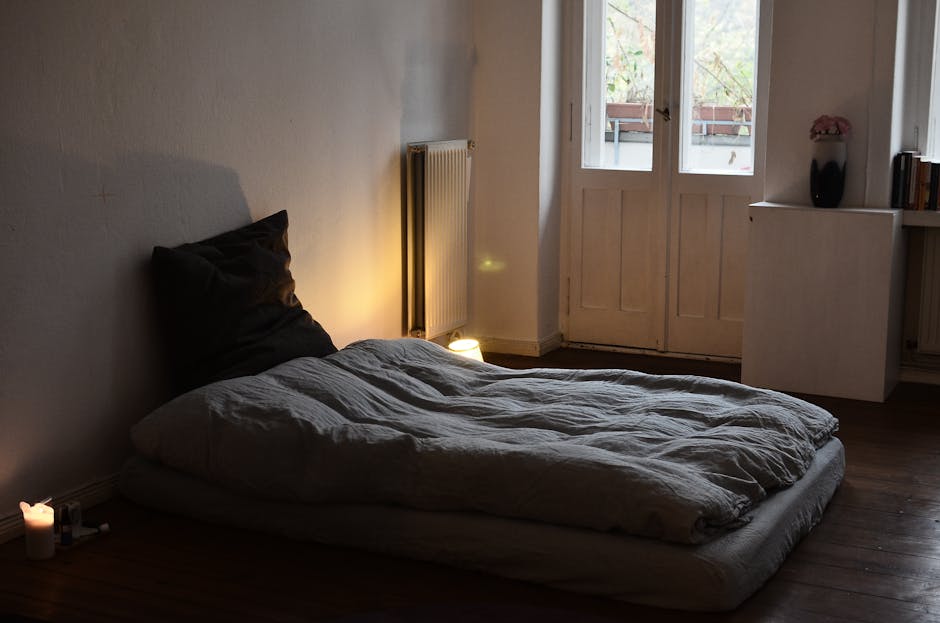
It is ten-thirty on a Tuesday night. One of you is already half-asleep, the warmth of the blanket pulling you under. The other is just now feeling awake — energized, maybe even a little restless. There is a brief window where your bodies are both in bed at the same time, but one mind is fading and the other is just arriving. You lie side by side, inches apart, in completely different biological time zones.
This scene repeats night after night. No one is angry. No one has done anything wrong. But the distance grows. The moments where you might have reached for each other — a conversation, a touch, a quiet laugh in the dark — keep slipping through the gap between your sleep schedules. Over weeks and months, that gap starts to feel like something much larger than a difference in bedtime.
Can Different Sleep Schedules Ruin a Relationship?
This is the question many couples quietly carry but rarely bring to a therapist’s office. It feels too small to mention, too mundane to count as a real problem. You are not fighting. You are not unhappy, exactly. But something has gone missing — a kind of low-grade loneliness that is hard to name.
Sleep medicine specialists describe this as “chronotype conflict,” and it affects far more couples than most people realize. Research suggests that roughly 40 percent of couples have meaningfully different sleep-wake preferences. When one partner’s peak alertness, warmth, and desire arrives hours after the other’s has already faded, the overlap for connection — emotional and physical — shrinks dramatically.
The confusion often deepens because both partners assume the problem is personal. The early bird wonders why their partner never seems interested in closeness at night. The night owl wonders why mornings feel so rushed and transactional. Neither realizes the issue is not about desire itself — it is about timing.
What Sleep Medicine Specialists Actually Say About Chronotype and Intimacy
According to sleep medicine specialists, your chronotype is not a preference you choose. It is rooted in genetics, regulated by your suprachiasmatic nucleus, and influenced by age, hormones, and light exposure. Trying to override it with willpower is like trying to change your natural eye color through concentration. You might manage for a few nights, but the biology will reassert itself.
“Chronotype is one of the most underrecognized factors in relationship satisfaction. When we treat patients for insomnia or sleep disruption, we often discover that the real distress is not about sleep quality at all — it is about the loss of shared time with their partner. The bedroom becomes a place of missed connections rather than closeness.”
Experts in sleep medicine point to a concept called the “intimacy window” — the period each evening or morning when both partners are awake, relaxed, and emotionally available at the same time. For couples with aligned chronotypes, this window may be an hour or more. For mismatched couples, it can shrink to minutes, or disappear entirely on busy days.
What makes this especially difficult is that desire itself is chronotype-dependent. Research published in sleep science journals shows that arousal, emotional openness, and even the hormones associated with bonding fluctuate according to your internal clock. A night owl’s peak window for connection may arrive at eleven p.m. — precisely when their early-bird partner’s body is producing melatonin and shutting down. This is not rejection. It is biology operating on two different schedules in the same bed.

Practical Ways to Protect Intimacy When Your Sleep Schedules Differ
Sleep specialists and couples therapists agree: the solution is not to force one partner to adopt the other’s schedule. That approach breeds resentment and rarely holds. Instead, the goal is to become intentional about the overlap you do have — and to expand it gently, without fighting your biology.
1. Map Your Actual Overlap
For one week, both partners note the times they feel most alert, most relaxed, and most open to connection. Compare notes at the end of the week. Many couples discover a small window they have been overlooking — perhaps a twenty-minute stretch after dinner, or a quiet Saturday morning — that could become sacred shared time. The sleep schedule relationship problem often improves simply by making the overlap visible.
2. Create a Transition Ritual, Not a Compromise
Rather than asking the night owl to come to bed earlier or the early bird to stay up later, sleep medicine specialists suggest building a brief transition ritual. This might be fifteen minutes of quiet contact — lying together, talking softly, or simply being physically close — before the early bird drifts off and the night owl returns to their evening. The goal is not synchronized sleep. It is synchronized presence, even briefly.
3. Redefine When Intimacy Happens
Many couples unconsciously believe that intimacy must happen at bedtime. But when your sleep schedules are mismatched, bedtime may be the worst possible window. Experts encourage couples to experiment with mornings, mid-day, or early evening — times when both partners are genuinely awake and present. Shifting intimacy away from the pressured bedtime hour can reduce frustration and open up possibilities that feel more natural for both bodies.
4. Talk About Timing, Not Desire
One of the most damaging patterns in chronotype-mismatched couples is misinterpreting timing as rejection. When your partner declines closeness because they are genuinely exhausted, it can feel personal. Sleep specialists recommend reframing these moments explicitly: “My body is shutting down, but I want you to know this is not about wanting you less.” Naming the biology removes the sting and keeps the emotional channel open.
5. Protect Light Exposure for Both Chronotypes
Bright screens late at night push the early bird’s already-fragile alertness even further toward exhaustion. Dim mornings deprive the night owl of the light cues that could gently shift their rhythm earlier. Small environmental adjustments — dimming lights after nine p.m., opening blinds first thing in the morning — can nudge both partners’ clocks slightly closer together without forcing either one to abandon their nature.
You May Also Like
- A 10-Minute Bedtime Ritual for Better Sleep and Connection
- How Couples Use Wellness Tech to Reconnect
- How to Talk to Your Partner About Trying Something New
Tonight’s Invitation
Tonight, before you each drift into your separate rhythms, try this: find five minutes of overlap. It does not matter if one of you is already in pajamas and the other is still wide awake. Sit together. Let your knees touch. Ask one question that has nothing to do with logistics — something like, “What felt good today?” You do not need to sync your clocks to sync your attention. Five minutes of genuine presence can hold more intimacy than eight hours of unconscious proximity.
A Final Thought
A sleep schedule relationship mismatch is not a flaw in your partnership. It is a biological reality that millions of couples navigate, most of them in silence, many of them blaming themselves or each other for something that is not anyone’s fault. The fact that you are reading this — that you are curious enough to look for answers — already says something important about the kind of connection you are trying to protect. Intimacy does not require perfect timing. It requires the willingness to find each other in the small windows you have, and to treat those moments as enough.