
The Connection You Feel Is More Than Just a Feeling
Most of us know intuitively that closeness with a partner makes us feel better. But the relationship between intimacy and emotional health runs far deeper than a temporary mood boost. Research in psychology and neuroscience consistently shows that physical and emotional intimacy shapes how we regulate stress, process emotions, and even how we perceive ourselves. When couples invest in their intimate connection, they are not just nurturing their relationship — they are actively supporting their mental and emotional well-being.
Yet for many couples, intimacy is the first thing to slip when life gets busy. Work deadlines, parenting responsibilities, health concerns, and the sheer exhaustion of daily life can push physical closeness to the bottom of the priority list. Over time, that distance can quietly erode the emotional foundation of a relationship, leaving both partners feeling isolated even when they share the same home.
This article is an invitation to pause, check in with yourself and your partner, and understand why intimacy deserves a more intentional place in your life — not as a luxury, but as a cornerstone of relationship wellness.
What Science Tells Us About Intimacy and Emotional Health
The link between intimacy and emotional health is well documented. Physical closeness — from holding hands to more involved expressions of affection — triggers the release of oxytocin, sometimes called the bonding hormone. Oxytocin lowers cortisol levels, reduces blood pressure, and creates a sense of safety and trust between partners. In other words, your body is wired to benefit from closeness.
A 2023 study published in the journal Psychoneuroendocrinology found that couples who reported higher levels of physical intimacy also showed lower markers of chronic stress and greater emotional resilience during conflict. The researchers noted that it was not the frequency of intimacy that mattered most, but the quality — whether both partners felt present, respected, and emotionally connected during those moments.
This finding is important because it reframes intimacy as something that goes beyond the physical act itself. It is about the emotional exchange that happens when two people choose to be vulnerable with each other. That vulnerability, when met with care, builds a reservoir of trust that partners draw from during difficult times.
Conversely, when intimacy fades, the emotional consequences can be significant. Partners may begin to feel like roommates rather than lovers. Small misunderstandings escalate more quickly. The sense of being truly known and accepted — one of the deepest human needs — starts to erode. Over time, this can contribute to anxiety, low mood, and a growing sense of disconnection that affects every area of life.
Tools That Support Couples in Reconnecting
Sometimes the barrier to intimacy is not a lack of desire but a lack of confidence or creativity. Couples who have fallen into a routine may feel uncertain about how to bridge the gap. This is where thoughtful wellness tools can play a meaningful role — not as a replacement for emotional connection, but as a way to create new shared experiences that open the door to deeper closeness.

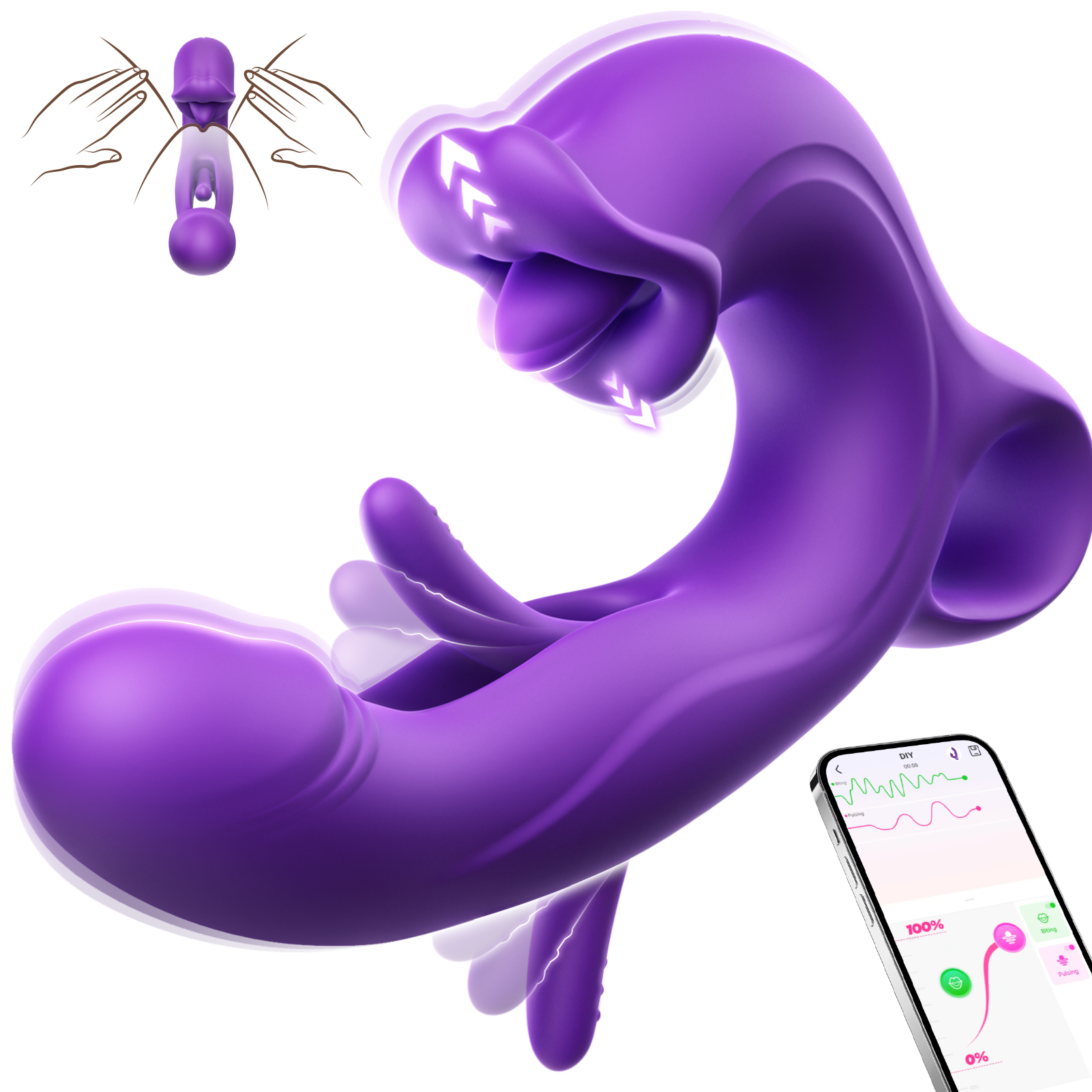
- Designed for shared experience: The Freedom Couples Vibrator is built specifically for use together, encouraging both partners to stay present and engaged during intimate moments rather than retreating into separate experiences.
- Wireless remote for comfort: The wireless remote control allows either partner to take the lead, creating opportunities for playful communication and mutual responsiveness without interruption.
- Body-safe and thoughtfully made: Crafted from medical-grade silicone with a slim, ergonomic profile, it is designed to feel natural and comfortable, removing the awkwardness that can sometimes come with introducing something new.
- Whisper-quiet operation: A near-silent motor means you can focus entirely on each other without distraction — especially important for couples who share space with family or housemates.
Every order from HiMoment ships in discreet, neutral packaging labeled simply as “Lifestyle Goods,” so your private choices stay private. Orders over $200 qualify for free shipping, and with warehouses in both California and New York, most deliveries arrive within two business days.


A Simple Relationship Check-In You Can Try Tonight
A relationship check-in does not need to be a formal, therapist-style conversation. It can be as simple as sitting together without screens and asking a few honest questions. The goal is to create a moment of genuine attention — the kind of attention that intimacy emotional health research consistently identifies as the foundation of lasting connection. Here are some practical ways to make that check-in meaningful.
1. Start With How You Actually Feel
Before talking about the relationship, each partner should take a moment to share how they are feeling individually. Not about logistics or schedules, but about their inner world. Are you tired? Anxious? Quietly content? This simple act of self-disclosure sets the tone for honesty and signals to your partner that this is a safe space. Many couples skip this step and jump straight into problem-solving, but emotional intimacy begins with being seen as you are right now.
2. Ask What Kind of Closeness Your Partner Needs
Intimacy is not one-size-fits-all. On any given day, one partner might crave physical touch while the other needs verbal reassurance or simply quiet companionship. Asking “What would help you feel close to me tonight?” is a deceptively powerful question. It communicates care without assumption, and it gives your partner permission to name what they actually need rather than what they think they should want. This kind of attentive inquiry is at the heart of relationship wellness.
3. Acknowledge What Has Been Good
Check-ins are not only for addressing problems. Take a moment to name something your partner did recently that made you feel loved or appreciated. Gratitude expressed directly — not in a text, not in passing, but with eye contact and intention — strengthens the emotional bond between partners. Research from the Gottman Institute suggests that couples who maintain a ratio of at least five positive interactions for every negative one report significantly higher relationship satisfaction.
4. Be Honest About Distance Without Blame
If you have been feeling disconnected, say so — but frame it as a shared challenge rather than a personal failing. “I have noticed we have not had much time together lately, and I miss you” lands very differently than “You never make time for us anymore.” The first invites collaboration. The second invites defensiveness. Honest vulnerability, delivered with care, is one of the most effective ways to rebuild intimacy emotional health in a relationship that has drifted.
5. End With a Physical Gesture
Words matter, but the body remembers what language sometimes forgets. Close your check-in with some form of physical connection — a long hug, holding hands, a few minutes of quiet touch. This is where the neurological benefits of intimacy come into play. Even brief, intentional physical contact can reset your nervous system and remind both partners that they are not alone. It does not need to lead anywhere. The gesture itself is the point.
Why Relationship Wellness Deserves Ongoing Attention
One of the most common misconceptions about healthy relationships is that they should feel effortless. In reality, the couples who report the highest levels of satisfaction are often the ones who are most intentional about maintaining their connection. They schedule time together. They talk about difficult things before those things become crises. They treat their intimate life as something worth investing in, not something that should just happen on its own.
This is not about pressure or performance. It is about recognizing that your relationship is a living system that responds to attention and neglect just like your physical health does. You would not expect to stay fit without ever exercising. Similarly, you cannot expect emotional and physical closeness to sustain itself without effort.
The concept of relationship wellness is gaining traction for good reason. It positions the health of your partnership alongside other dimensions of self-care — sleep, nutrition, movement, mental health — and treats it with the same seriousness. When you care for your relationship, you are caring for yourself.
Intimacy, in this framework, is not an indulgence. It is maintenance. It is the way two people remind each other, again and again, that they are chosen, valued, and safe. And when that foundation is strong, everything else in life becomes a little easier to carry.
Your Next Step Toward Deeper Connection
If this article has prompted even a small spark of recognition — a sense that your relationship could benefit from more intentional closeness — consider acting on that feeling today. Talk to your partner. Try a check-in. Explore what tools and experiences might help you reconnect in ways that feel natural and exciting. The HiMoment shop offers a thoughtfully curated selection of intimate wellness products designed for couples who value quality, discretion, and shared well-being. Browse the collection at hi-moment.com and take the first step toward a relationship that feels as good as it looks from the outside.