The Power Question No One Talks About
When shopping for an intimate wellness device, most people focus on shape, size, or vibration patterns. But the power source matters just as much. Choosing between a rechargeable vibrator vs battery-powered model affects everything from long-term cost and performance consistency to convenience and environmental impact. This guide breaks down the real differences so you can make a confident, informed decision that fits your lifestyle and preferences.
Whether you are purchasing your first personal wellness device or upgrading from an older model, understanding the best power type toy for your needs will help you avoid buyer regret and get the most value from your investment. Let us walk through every factor worth considering.
How Each Power Type Actually Works
Before comparing pros and cons, it helps to understand the basic mechanics behind each option. Battery-powered devices use disposable alkaline batteries, usually AA or AAA. You insert fresh batteries, use the device until they drain, then replace them. Rechargeable devices contain a built-in lithium-ion or lithium-polymer cell that you charge via USB cable or magnetic dock, similar to how you charge a phone or wireless earbuds.
That fundamental difference creates a cascade of practical trade-offs. Battery-powered models tend to have a lower upfront price, but disposable batteries add recurring cost. Rechargeable models cost a bit more initially, yet eliminate the need for replacements entirely. Beyond cost, the two approaches differ in motor strength, noise level, water resistance, and build quality, all of which shape your day-to-day experience.
Performance and Consistency
One of the most noticeable differences between a rechargeable vibrator vs battery model is power delivery. Rechargeable devices draw from a dedicated cell engineered to pair with the motor inside. That means the manufacturer can tune vibration intensity, ramp-up curves, and pattern timing to work at their best throughout the entire charge cycle.
Battery-powered devices, on the other hand, rely on off-the-shelf cells that lose voltage as they drain. You may notice vibrations starting strong and gradually weakening over a session, which can be frustrating if you depend on consistent intensity. Rechargeable motors typically deliver stronger, more stable output from start to finish because the electronics regulate power draw in real time.
If dependable, powerful performance is a priority, rechargeable technology has a clear edge.
Why the Rose Vibrator Wand Is a Rechargeable Standout
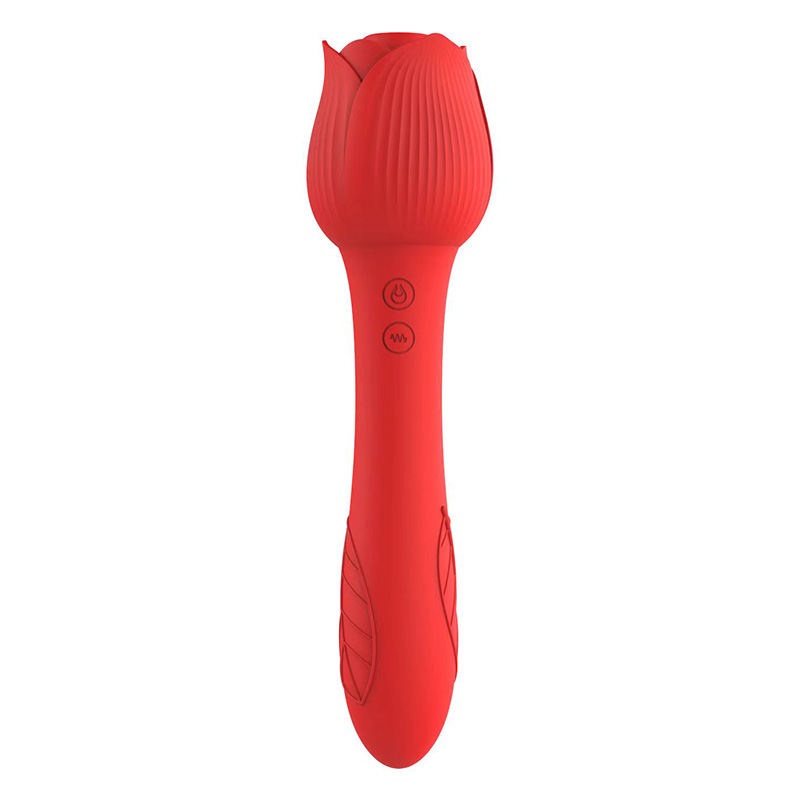
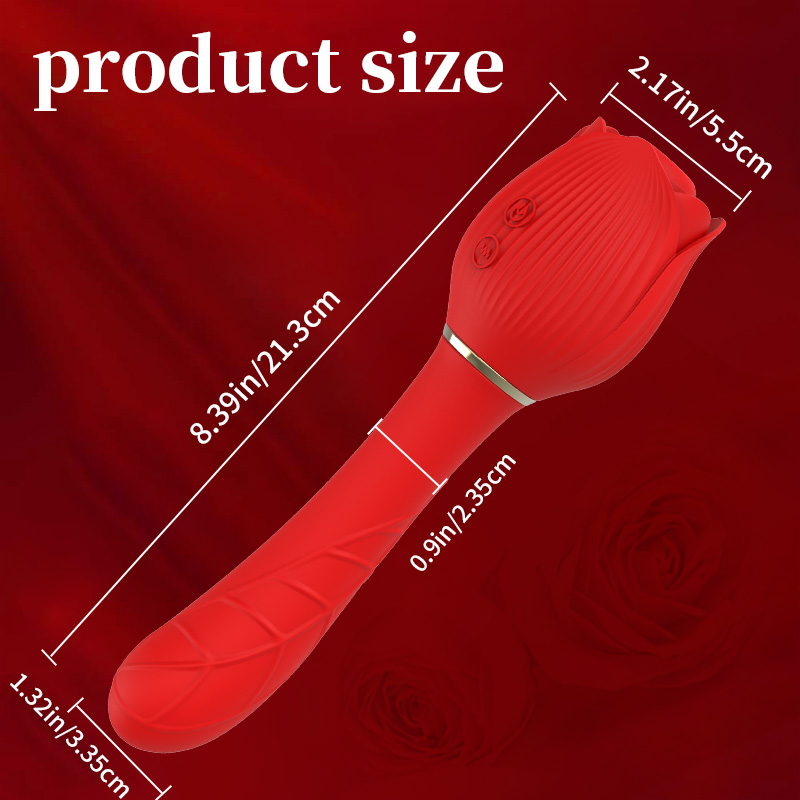
A great example of modern rechargeable design is the Rose Vibrator Wand. It pairs an elegant rose aesthetic with a high-torque wand motor that maintains full intensity across its entire battery life. Magnetic USB charging means no exposed ports, which keeps the body seamlessly waterproof and easy to clean.

- Magnetic USB Charging: Simply snap the cable onto the base. No fiddly ports, no battery compartments to pry open. A full charge takes about ninety minutes and delivers extended use time.
- Powerful Wand Vibrations: The sealed rechargeable cell powers a motor that stays consistent whether you are five minutes in or twenty-five. No voltage fade, no mid-session slowdowns.
- Travel Lock: A built-in travel lock prevents accidental activation in luggage, a thoughtful detail that battery-powered models rarely include.
- Rose Aesthetic Design: Beyond function, it looks like a sculptural desk object rather than a traditional wellness device, adding a layer of discretion to nightstand storage.
The Rose Vibrator Wand ships from HiMoment warehouses in California and New York with two-day delivery across the US. Every order arrives in a neutral box labeled “Lifestyle Goods,” so your privacy is protected from doorstep to drawer.
Cost Over Time: The Math That Matters
At first glance, battery-powered devices look like the budget-friendly choice. A basic model might cost fifteen to twenty dollars less than its rechargeable counterpart. But disposable batteries add up quickly. A pair of name-brand AAs costs around two to three dollars, and moderate use can burn through a set every few weeks.
Over a single year, battery costs alone can exceed the price difference between the two device types. Over two or three years, the gap widens dramatically. A rechargeable device pays for itself and then some, all while delivering better performance. When evaluating the best power type toy investment, total cost of ownership matters far more than sticker price.
Quiet Operation and the Lip Rose Vibrator
Noise is another area where rechargeable models often excel. Because manufacturers control the entire power chain, they can pair low-RPM, high-torque motors with optimized circuitry to minimize sound. Battery-powered devices frequently use generic motors that buzz louder and produce more mechanical rattle inside a plastic battery compartment.
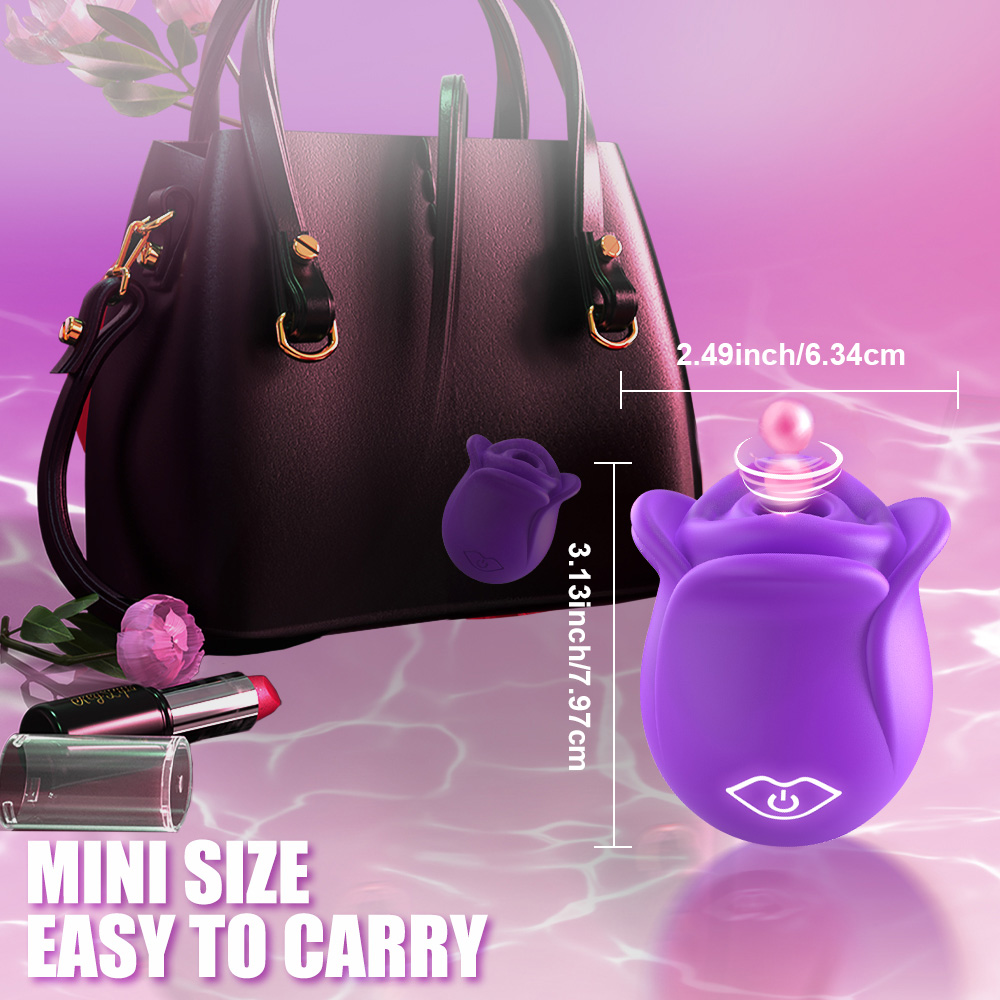
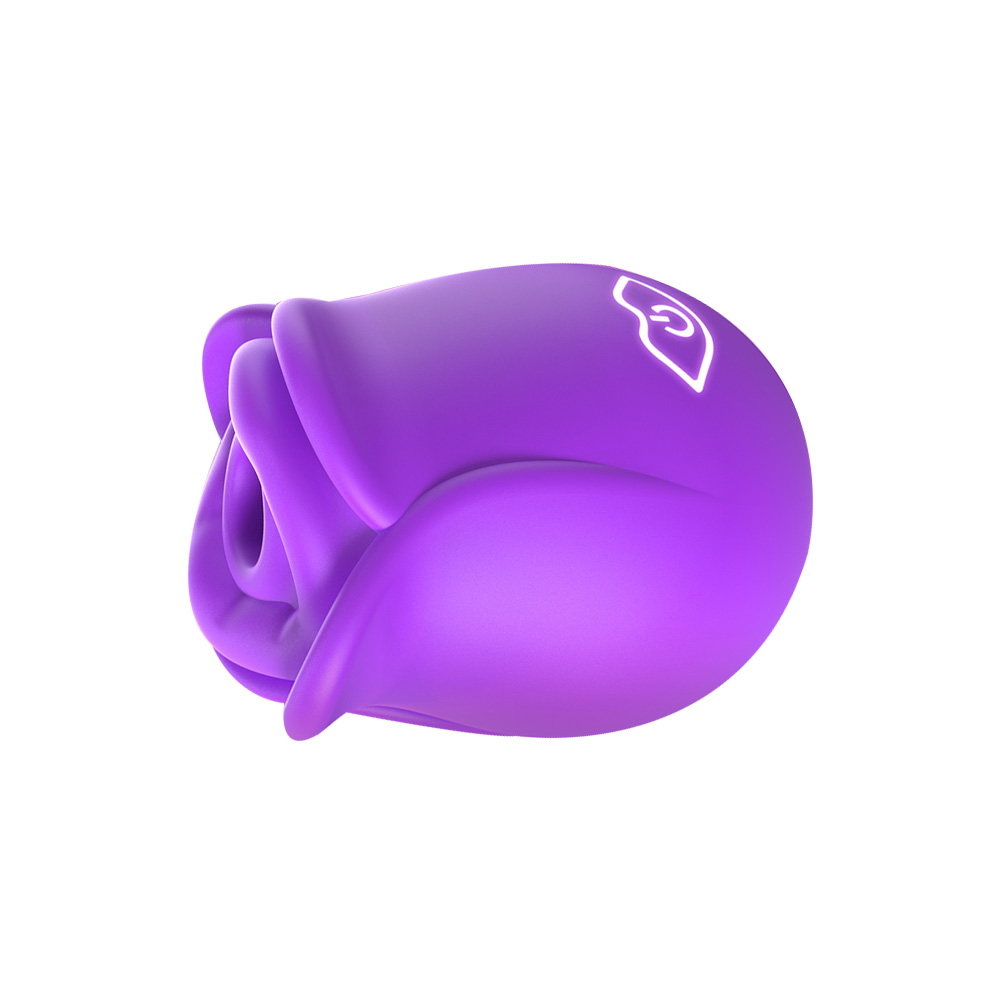
- Under 45dB Quiet: The Lip Rose Vibrator operates below 45 decibels, roughly the volume of a library whisper. That level of discretion is difficult to achieve with battery-powered hardware.
- Rose-Shaped Suction Head: The unique rose silhouette delivers gentle air-pulse stimulation, a technology that requires precise power management only a rechargeable system can reliably provide.
- Body-Safe Silicone: Medical-grade silicone covers the entire contact surface, free of phthalates and latex. The sealed rechargeable design eliminates battery compartment seams where bacteria could hide.
- Travel Lock: Like the Wand, the Lip Rose includes a travel lock so it stays silent and still in your bag until you decide otherwise.
At just 24.99 dollars with free shipping on orders over 200 dollars, the Lip Rose Vibrator proves that rechargeable quality does not have to break the bank. Every HiMoment order ships in discreet, unmarked packaging for complete peace of mind.


Practical Tips for Choosing Your Power Type
Now that you understand the core differences between rechargeable and battery-powered devices, here are some practical guidelines to help you decide which is the best power type toy for your situation.
1. Consider Your Living Situation
If you share a home with roommates or family, whisper-quiet operation and a travel lock become essential. Rechargeable models consistently outperform battery-powered alternatives on both fronts. The sealed construction also means fewer rattling parts and no loose battery covers to worry about.
2. Think About Travel Frequency
Frequent travelers benefit from rechargeable devices that charge via standard USB, the same cable you already pack for your phone. Battery-powered models require you to carry spare batteries and risk them dying at inconvenient moments. A travel lock, standard on quality rechargeable devices, prevents accidental activation during transit.
3. Evaluate Cleaning and Hygiene
Because rechargeable devices can be fully sealed with no battery compartment, many are rated waterproof or at least splash-proof. That makes thorough cleaning simple: rinse under running water with mild soap. Battery-powered models with exposed compartments must be cleaned more carefully to avoid water damage, which can compromise hygiene over time.
4. Factor in Environmental Impact
Disposable batteries create electronic waste that ends up in landfills. A single rechargeable device can replace hundreds of disposable batteries over its lifespan. If sustainability influences your purchasing decisions, the rechargeable path aligns with those values without requiring any sacrifice in performance.
5. Assess Your Budget Honestly
If upfront cost is your primary constraint, a battery-powered starter device is perfectly reasonable. However, if you can invest a little more at the outset, a rechargeable vibrator vs battery option will save money in the long run and deliver a noticeably better experience from day one. Many rechargeable models, like the Lip Rose Vibrator at under twenty-five dollars, are priced competitively with battery-powered alternatives anyway.
A Wellness Investment Worth Making
Choosing between rechargeable and battery-powered is ultimately about aligning a device with your lifestyle, your values, and the experience you want. For most people, rechargeable technology offers the strongest combination of performance, convenience, hygiene, and long-term savings. It is the direction the entire wellness industry is moving, and for good reason. Browse the full collection at HiMoment to find the rechargeable device that fits your life. With two-day US shipping, discreet packaging, and body-safe materials across every product, your next step toward better self-care is just a click away.