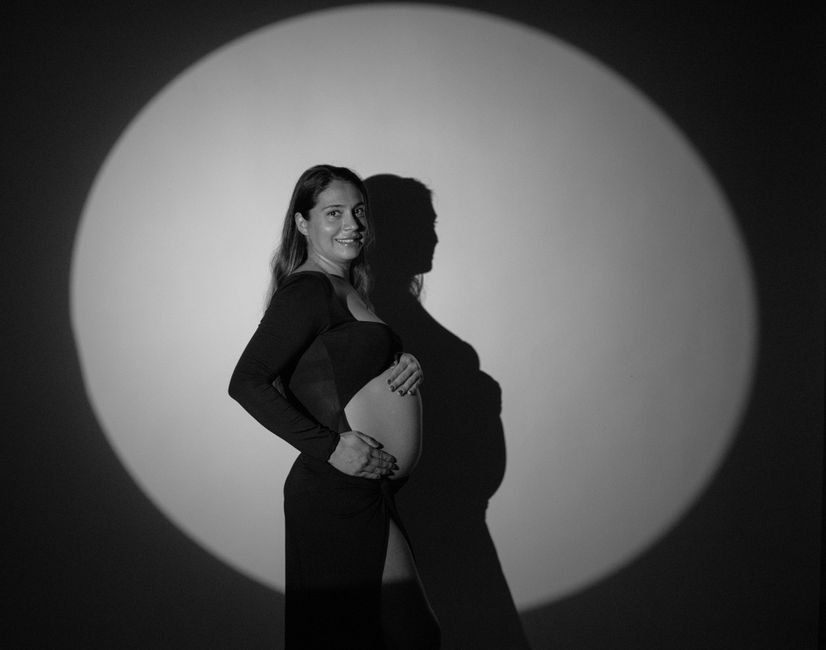
How HRT and Libido Are Connected — and Why It Matters
HRT and libido are deeply intertwined, yet the relationship between hormone therapy and desire is rarely discussed with the nuance it deserves. Whether you are beginning estrogen therapy during menopause, navigating testosterone replacement, or adjusting medications after a medical transition, hormone therapy effects on desire, mood, and body image can feel confusing and isolating. This guide, informed by endocrinologists, unpacks what is actually happening in your body — and what you can do about it.
You will find no oversimplified promises here. Instead, we will walk through the science, the emotional landscape, and the practical steps that help people reclaim a sense of wholeness while their hormones shift. Because understanding what is changing is the first step toward feeling at home in your body again.
The Scene You Might Recognize
You have been on hormone therapy for a few months now. Maybe your doctor prescribed it for perimenopausal symptoms — the hot flashes, the sleeplessness, the fog that made you forget words mid-sentence. Or perhaps you chose HRT as part of a gender-affirming journey you had been planning for years. Either way, you expected to feel better. And in many ways, you do.
But something else shifted that nobody warned you about. Your desire feels different — not necessarily gone, but rearranged, like furniture moved in a room you used to navigate in the dark. Some mornings you feel a flicker of wanting that surprises you. Other weeks, intimacy feels like a language you once spoke fluently but now have to translate word by word. You catch your reflection and notice your body is changing in ways that feel both welcome and unfamiliar. You wonder: is this normal? Is this permanent? Is something wrong with me?
Nothing is wrong with you. What you are experiencing has a biological explanation — and, more importantly, a path forward.
Does Hormone Therapy Change Your Libido Permanently?
This is one of the most common questions endocrinologists hear, and the honest answer is: it depends, but rarely is it permanent in the way people fear. Hormone therapy effects on libido are real, measurable, and — for most people — manageable once you understand the mechanisms at play.
Estrogen-based HRT, commonly prescribed during menopause, often improves desire indirectly by reducing vaginal dryness, easing pain during intimacy, and stabilizing mood swings that made closeness feel impossible. But estrogen alone does not always restore the spark. That is because desire is not driven by a single hormone. It is an orchestra — estrogen, progesterone, testosterone, DHEA, cortisol, thyroid hormones — all playing together. When you adjust one instrument, the whole composition shifts.
Testosterone therapy, whether prescribed for hypoactive sexual desire or as part of masculinizing hormone therapy, tends to increase libido more directly. But even here, the timeline is not linear. Some people notice heightened desire within weeks. Others experience an initial surge followed by a plateau that requires dosage adjustment. The body is not a machine with a simple dial. It is an adaptive system learning a new equilibrium.
What matters most, according to endocrinologists who specialize in hormone health, is that you do not interpret a temporary dip in desire as a failure of the therapy — or of yourself.
What Endocrinologists Actually Say About HRT and Libido
The clinical conversation around HRT and libido has evolved significantly in the past decade. Where doctors once treated hormone replacement as a purely physiological intervention — prescribe, monitor blood levels, adjust dosage — leading endocrinologists now emphasize that desire exists at the intersection of biology, psychology, and relationship dynamics.
“When a patient tells me their libido changed after starting hormone therapy, I never assume the hormones are the only factor. Yes, we check levels and adjust protocols. But I also ask about sleep, stress, body image, and how they feel about the changes they are seeing in the mirror. Desire does not live in your bloodstream alone — it lives in your sense of self.”
This perspective reflects a growing consensus among hormone specialists. The hormone therapy effects that patients notice most — changes in skin texture, fat redistribution, shifts in muscle tone, altered body hair patterns — are not just physical events. They are identity events. When your body changes shape, your relationship with it must be renegotiated. And that renegotiation directly impacts how safe, attractive, and open you feel in intimate moments.
Endocrinologists also note that the timeline of HRT and libido changes varies widely. For people on menopausal HRT, desire may take three to six months to stabilize after starting treatment. For those on gender-affirming hormones, the emotional and psychological adjustment can unfold over one to two years. Patience is not just a virtue here — it is a clinical recommendation.

Practical Ways to Support Your Desire and Body Image During HRT
Understanding the science is helpful. But what do you actually do when your body feels unfamiliar and your desire has gone quiet — or loud in ways you did not expect? These are practices that endocrinologists and integrative health professionals recommend to their patients navigating hormone therapy effects on intimacy and self-image.
1. Track Your Patterns, Not Just Your Levels
Blood panels tell part of the story. But keeping a simple journal of your energy, mood, desire, and body comfort on a weekly basis gives you and your doctor a richer picture. Note what time of day you feel most alive. Record whether desire shows up as a thought, a physical sensation, or an emotional pull. Over time, patterns emerge that lab work alone cannot reveal. Many endocrinologists now encourage this kind of embodied tracking alongside standard hormone panels because it captures the subjective experience that numbers miss.
2. Separate Body Image Work from Hormone Expectations
It is tempting to wait for HRT to “fix” how you feel about your body. But hormones and self-image do not move in lockstep. Your reflection may change gradually while your internal sense of self races ahead — or lags behind. Consider working with a therapist who understands body image in the context of hormonal transitions. Cognitive behavioral approaches and somatic therapy have both shown promise in helping people develop a kinder, more accurate relationship with their changing bodies. You do not have to love every change to feel whole.
3. Communicate with Your Partner About the In-Between
If you are in a relationship, the shifts in your desire and body during HRT affect both of you. But silence creates more distance than the hormonal changes themselves. Name what you are noticing without framing it as a problem to solve. Saying “my body is responding differently right now, and I am still figuring out what feels good” is more connecting than withdrawing without explanation. Partners who understand that HRT and libido changes are temporary and biological — not a reflection of attraction or love — tend to navigate this season with more patience and creativity.
4. Revisit Pleasure on Your Own Terms
When desire shifts, the menu of what feels pleasurable often shifts too. Sensations that once felt electric may feel muted, while new sources of pleasure emerge that you never noticed before. Give yourself permission to explore without a script. Self-care practices that reconnect you with your body — warm baths, gentle stretching, mindful breathing, or simply placing a hand on your chest and noticing your heartbeat — can rebuild the sensory bridge between your mind and your changing body. This is not about performance. It is about presence.
5. Advocate for Comprehensive Care
If your current provider only monitors blood levels and adjusts dosages, you deserve more. The best outcomes for HRT and libido happen when endocrinologists collaborate with mental health professionals, pelvic floor specialists, and sometimes sex therapists. Do not hesitate to ask for referrals. A holistic care team acknowledges that hormone therapy effects extend far beyond the endocrine system — they touch every dimension of your lived experience.
You May Also Like
- The Science of Sensory Wellness and Touch Therapy
- How to Talk to Your Partner About Trying Something New
- How to Actually Relax When You Are Alone
Tonight’s Invitation
Tonight, place one hand on your belly and one on your heart. Close your eyes. Breathe slowly for two minutes and simply notice what your body is telling you — without judgment, without agenda. You are not trying to feel desire or gratitude or calm. You are just listening. Your body has been working hard to adapt to change. The least you can offer it is a moment of quiet attention. That is where reconnection begins.
A Final Thought
Hormone therapy is not a switch you flip. It is a season you move through — sometimes gracefully, sometimes clumsily, always bravely. The changes in your desire, your mood, and your relationship with your reflection are not signs that something has gone wrong. They are signs that something is in motion. And motion, even when it feels disorienting, means you are alive and adapting. Trust the process. Trust your body’s intelligence. And trust that the version of desire waiting on the other side of this transition will be no less real — just differently yours.