The Quiet Cost of Always Being Online
Digital detox wellness is more than a trending phrase — it is a necessary practice for anyone who feels physically numb after hours of scrolling. Our nervous systems were not designed for the constant stimulation of notifications, feeds, and blue light. When we finally set the phone down, many of us realize we have forgotten how to simply feel. Reconnecting with your body starts the moment you disconnect from your screen, and the rewards — better sleep, deeper relaxation, heightened sensitivity — are available to anyone willing to try.
Research from the American Psychological Association has consistently shown that excessive screen time correlates with increased stress hormones, disrupted sleep cycles, and a diminished capacity for physical pleasure. The body does not stop sending signals when we are glued to a device. It simply stops being heard. A deliberate practice of unplugging, even for short windows, can restore the dialogue between mind and body that modern life has slowly muted.
What Happens to Your Body When You Unplug
The first thing most people notice during a digital detox is restlessness. That fidgety urge to check your phone is your nervous system cycling through a dopamine loop it has been trained to expect. Once that passes — usually within thirty to sixty minutes — something else emerges: awareness. You notice the tension in your shoulders, the rhythm of your breathing, the texture of the fabric against your skin. This is not mystical. It is simply what happens when your attention returns to your own body instead of someone else’s content.
Cortisol levels begin to drop within the first hour of screen-free time. Heart rate variability improves. Your parasympathetic nervous system — the branch responsible for rest, digestion, and physical pleasure — gets room to do its job. In this calmer state, your body becomes far more receptive to touch, warmth, and sensation. This is exactly why pairing a digital detox with intentional physical wellness practices produces results that neither habit achieves alone.
Physical wellness in this context does not require a gym membership or a meditation retreat. It can be as simple as a warm bath, slow stretching, focused breathing, or exploring sensation with a tool designed for exactly that purpose. The goal is presence — returning your full attention to the body you live in every day but rarely listen to.
A Tool for Tuning Back In: The Rose Vibrator Wand
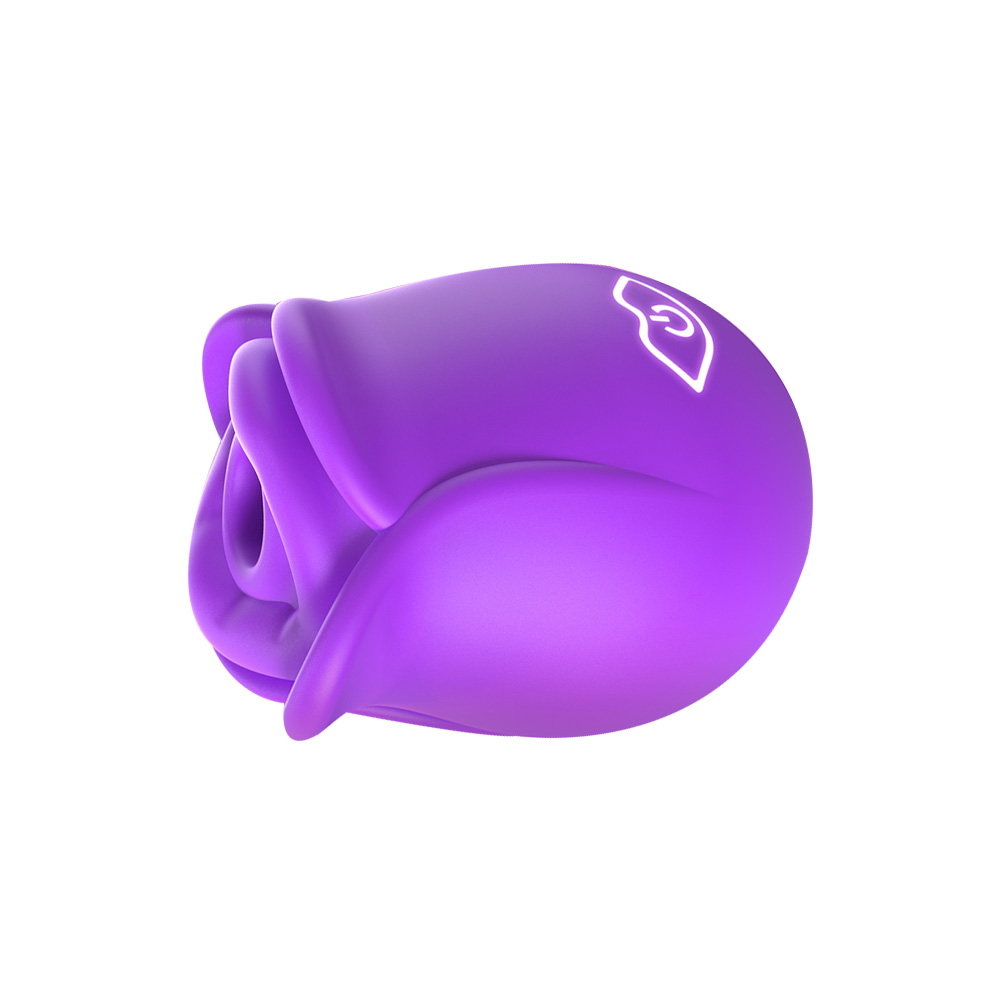
When the screens are off and the world is quiet, your body is ready to feel more than it has in weeks. This is the ideal moment to introduce gentle, intentional sensation. The Rose Vibrator Wand was designed with exactly this kind of mindful self-care in mind — a wellness tool that invites you to slow down and pay attention to what feels good, without rushing toward any particular outcome.
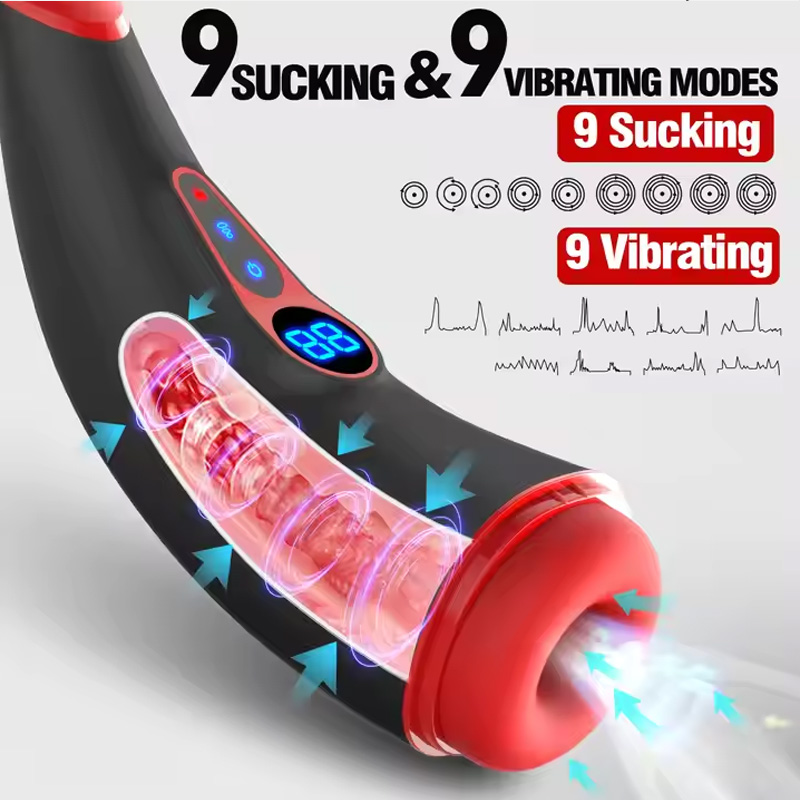
- Medical-Grade Silicone: Body-safe material that feels soft and warm against the skin, so you can relax completely without worrying about what you are putting on your body.
- Whisper-Quiet Motor: Designed to be nearly silent, letting you stay in your calm, screen-free headspace without any jarring noise breaking the moment.
- Multiple Intensity Settings: Start at the lowest level and let your body guide you upward. There is no rush — the point is presence, not performance.
- Elegant, Discreet Design: Looks and feels like a premium wellness product because that is exactly what it is. Stored easily, explained simply.
Every order ships from our California or New York warehouse with 2-day delivery, in a neutral box labeled “Lifestyle Goods.” No one will know what is inside except you. Orders over $200 ship free.
Building a Disconnect-to-Reconnect Ritual for Couples
Digital detox wellness is powerful solo, but it becomes transformative when shared. Couples who unplug together often report a renewed sense of intimacy that has nothing to do with grand gestures — it comes from simply being in the same room, fully present, without the silent third party of a glowing screen between them.
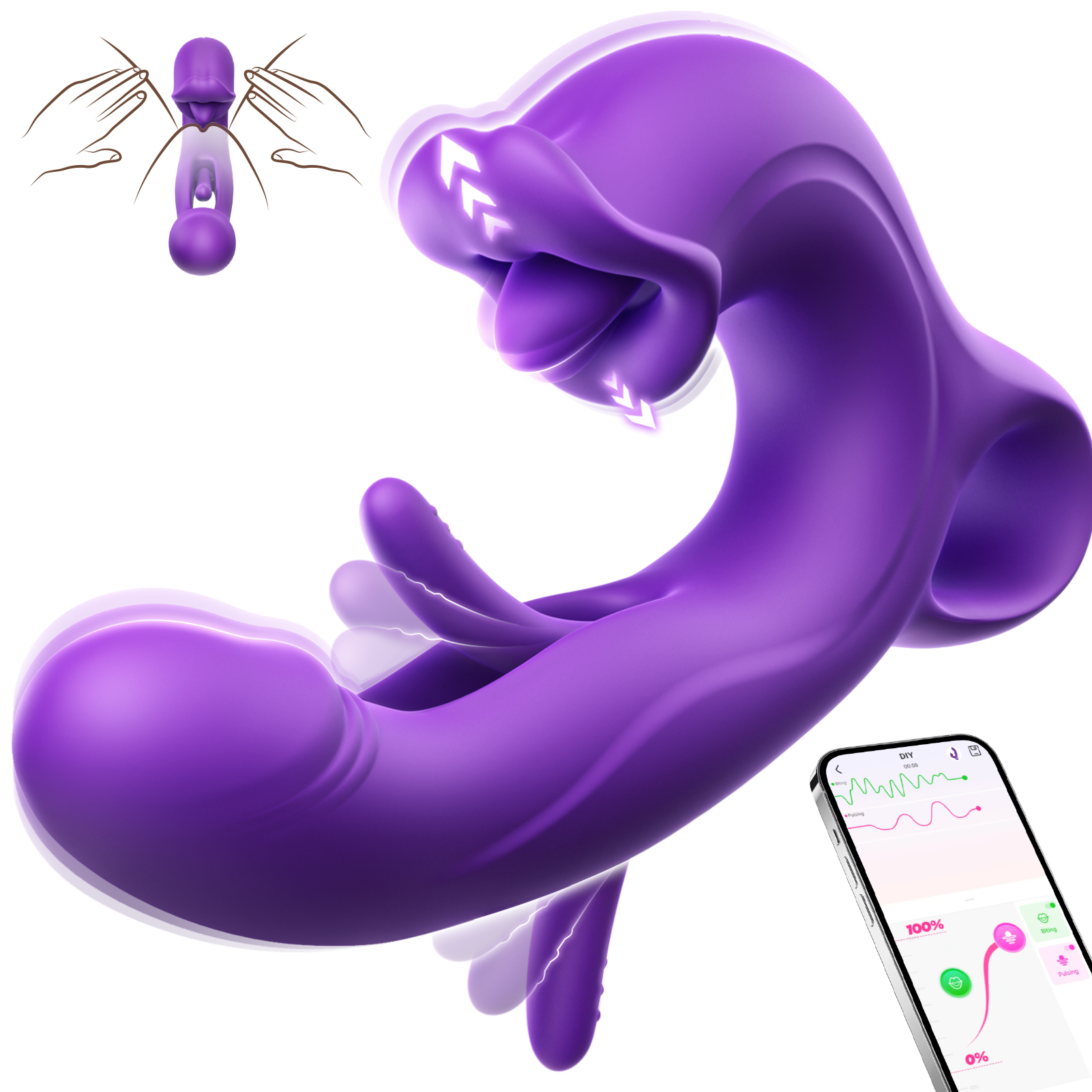
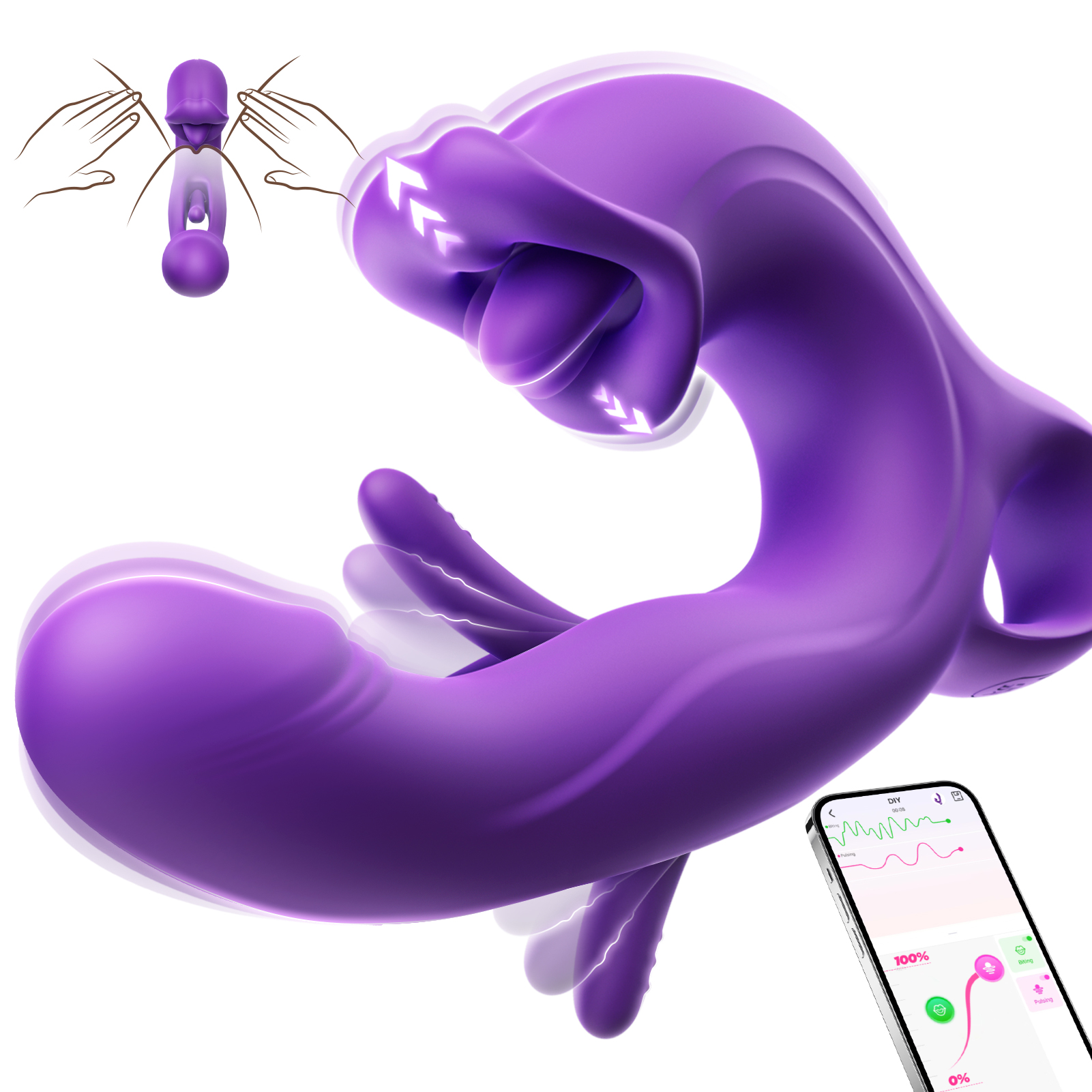
- Shared Experience: The Freedom Couples Vibrator is designed to be used together, turning a quiet evening into a moment of genuine connection without either partner needing to perform.
- Hands-Free Design: Allows both partners to focus on each other rather than managing a device — the opposite of how screens demand your attention.
- Body-Safe and Comfortable: Medical-grade silicone and an ergonomic shape mean comfort comes first, so you can relax into the experience.
Start with a simple agreement: phones in another room, screens off for two hours. Fill that time with conversation, touch, and whatever feels natural. The Freedom Couples Vibrator fits seamlessly into this kind of evening — not as the main event, but as one element of a broader practice of being physically present with someone you care about.






Five Practical Tips to Disconnect and Reconnect With Your Body
You do not need to go off-grid for a week to experience the benefits of a digital detox. Small, consistent habits create lasting change. Here are five ways to start reclaiming your physical awareness tonight.
1. Set a Hard Screen Curfew One Hour Before Bed
Blue light suppresses melatonin production, but the deeper issue is cognitive arousal — your brain stays in problem-solving mode long after the screen goes dark. Set a specific time each night when all devices go into a drawer or another room. Use that final hour for activities that involve your body: stretching, a warm shower, journaling by hand, or exploring gentle self-massage. Within a week, most people notice they fall asleep faster and wake up feeling more physically rested. This single habit is the foundation of any effective disconnect to reconnect body practice.
2. Replace Morning Scrolling With a Body Scan
The average American checks their phone within four minutes of waking. Instead, try spending those first five minutes with your eyes closed, slowly scanning from your feet to your scalp, noticing where you feel tension, warmth, or ease. This is not meditation — it is a simple inventory of how your body feels right now. Over time, this practice rebuilds the habit of checking in with yourself before checking in with the world. It costs nothing, takes minutes, and retrains your attention toward physical sensation rather than digital input.
3. Designate One Screen-Free Room in Your Home
Choose one space — ideally the bedroom — where phones, tablets, and laptops are never allowed. This creates a physical boundary that your nervous system learns to associate with rest and pleasure rather than work and stimulation. Stock this room with things that engage your senses: soft lighting, comfortable textures, a candle, a quality wellness product you enjoy. When you enter this space, your body will begin downshifting before you consciously decide to relax. Environment shapes behavior more reliably than willpower ever will.
4. Practice Sensory Engagement During Everyday Tasks
Digital detox wellness does not have to look like sitting in silence. You can practice it while cooking, showering, or walking. The key is single-tasking with full sensory attention: feel the water temperature on your skin, notice the scent of your soap, pay attention to the pressure of your feet on the ground. These micro-practices rebuild your capacity for physical pleasure in all its forms. The body that notices the warmth of sunlight is the same body that will respond more fully to intentional touch later in the evening.
5. Schedule a Weekly “Sensation Evening” for Yourself or With a Partner
Put it on the calendar the same way you would a workout or a dinner reservation. One evening per week, screens go away for a minimum of two hours. The agenda is open: a long bath, self-massage with good oil, exploring a new setting on a wellness device, or simply lying in low light and breathing. The consistency matters more than the activity. Over a month of weekly practice, most people report noticeably heightened physical sensitivity, improved sleep quality, and a stronger sense of connection — to themselves and, if partnered, to each other. This is the core promise of the disconnect to reconnect body philosophy: what you feel when you stop watching is more vivid than anything on a screen.
Your Body Has Been Waiting for You to Come Back
Every notification you silence is an invitation your body extends. Digital detox wellness is not about rejecting technology — it is about remembering that you are a physical being who deserves pleasure, rest, and presence. The tools exist to help you get there, from simple breathing exercises to thoughtfully designed wellness products that meet your body where it is. When you are ready to explore what reconnecting feels like, visit hi-moment.com and discover a curated collection of body-safe, whisper-quiet, and discreetly shipped wellness products designed for exactly this kind of intentional self-care. Your body has been sending signals all along. Tonight, turn off the screen and listen.