
The Space Between Words
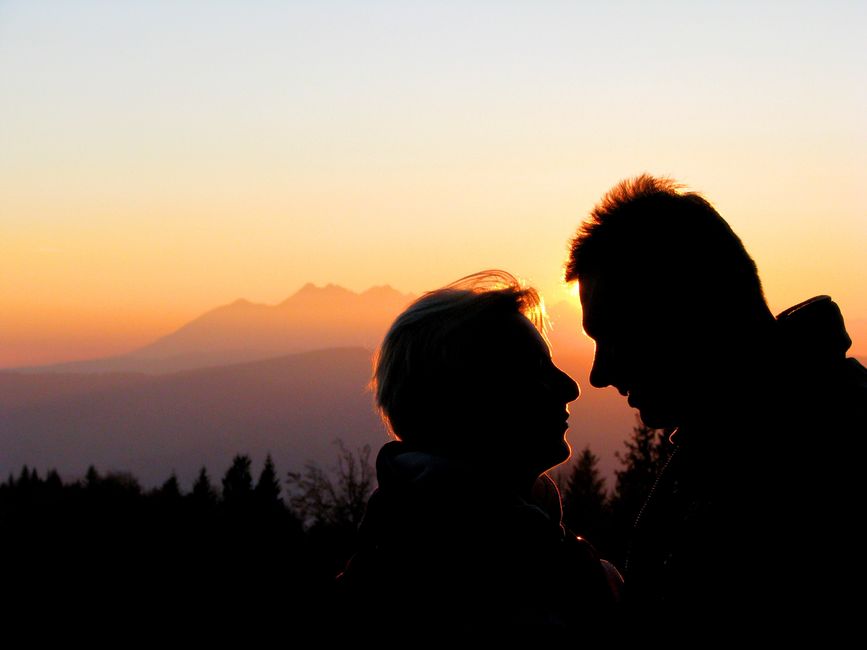
After an argument, the hardest distance to cross is often the one between two people sitting in the same room. You want to reach out, but your body feels locked in place — arms folded, gaze averted, shoulders turned away. The silence is loud. What many couples don’t realize is that the path back to each other doesn’t always begin with the right words. Sometimes, it begins with something far quieter: a shift in posture, an open palm, a willingness to simply face each other again.
This is the territory where body language becomes a bridge — not a replacement for conversation, but a way to signal safety before the talking resumes. Family counselors who specialize in couples work have long understood that physical reconciliation often precedes emotional repair. In this piece, we explore why that is, and how small, intentional gestures can help you reconnect after a fight in ways that words alone cannot.
The Living Room After the Storm
Picture this. It’s a Tuesday evening. The argument ended twenty minutes ago — or maybe it just ran out of steam. One of you is on the couch, scrolling without reading. The other is in the kitchen, opening and closing cabinets with no real purpose. The dog, if you have one, is lying exactly between you, looking confused. There’s a knot in your chest that’s part anger, part guilt, part something you can’t name. You know you should say something. But what? And how do you even begin when your whole body feels like a closed door?
This scene plays out in millions of homes, across every kind of relationship. The fight itself might have been about dishes, money, in-laws, or something deeper that neither of you can quite articulate. But the aftermath is strikingly universal: two people who love each other, temporarily unable to find their way back.
Why Does Reaching Out Feel So Hard?
Here’s what most people quietly wonder in these moments: Why can’t I just go over there and touch their hand? Why does my body refuse to soften, even when my mind already knows the argument wasn’t worth this distance? The question isn’t about stubbornness, though it can feel that way. It’s about something more primal.
When we argue with someone we’re attached to, our nervous system registers it as a threat — not just an intellectual disagreement, but a felt sense of disconnection from someone we depend on. The body responds accordingly. Muscles tighten. Breathing becomes shallow. We orient away from the source of stress, even when that source is also the person we most want comfort from. This is not a character flaw. It is biology, doing what biology does.
The real question, then, isn’t why it’s hard to reconnect after a fight. It’s how we can gently override that protective instinct and signal to our partner — and to our own nervous system — that it’s safe to come closer again.
What Family Counselors Want You to Know
According to family counselors who work with couples navigating conflict, the body often knows the way back before the mind does. Verbal apologies matter, of course. But the nonverbal channel — eye contact, proximity, touch, posture — carries enormous weight in how safe a partner feels after a disagreement.
“After a conflict, couples often wait for the perfect words to repair the rupture. But repair frequently starts with the body. A partner who turns toward the other, uncrosses their arms, or simply moves a little closer is already communicating something powerful: I’m still here. I’m not going anywhere. That physical signal of availability can do more to de-escalate tension than a carefully worded apology delivered from across the room.”
This insight aligns with decades of research in attachment theory and couples therapy. Dr. John Gottman’s work on “repair attempts” — the small bids partners make to de-escalate conflict — emphasizes that these attempts are often nonverbal. A gentle touch on the shoulder. A half-smile. Moving from a separate chair to sit beside your partner on the couch. These gestures may seem small, but they carry a message that bypasses the analytical mind and speaks directly to the nervous system: we are still connected.
Family counselors also note that body language in couples is deeply reciprocal. When one partner softens, the other is neurologically inclined to mirror that softening. This is why a single, genuine gesture of openness can shift the entire emotional temperature of a room. Physical reconciliation doesn’t mean forcing affection. It means creating the conditions where closeness can naturally re-emerge.

Gentle Ways to Let Your Body Lead the Way Back
None of these practices require grand gestures or perfect timing. They are small, quiet shifts — ways to use body language as a language of care when words still feel too complicated. Try the one that feels most natural, and let the rest wait.
1. Turn Toward, Literally
After an argument, we tend to angle our bodies away from our partner — facing a screen, a wall, a window. This is self-protection, and it makes sense. But when you feel even a sliver of readiness, try simply turning your body in their direction. You don’t have to say anything. You don’t have to make eye contact. Just orient yourself so that your shoulders, your torso, your presence is facing them. In the vocabulary of body language for couples, this is one of the most fundamental signals of willingness. It says: I’m open to being in this with you again.
2. Soften Your Hands
Notice your hands. After conflict, they’re often clenched, gripping a phone, or pressed into your own body. Consciously relax them. Let them rest, open, in your lap or at your sides. If you’re near your partner, you might place one hand palm-up on the couch between you — not reaching, not demanding, just available. Family counselors sometimes call this a “bid without pressure.” It’s a physical invitation that your partner can accept in their own time, without feeling cornered. The open palm is one of the oldest human signals of peace, and it still works.
3. Close the Physical Gap, Slowly
Distance after a fight serves a purpose — it gives both people room to regulate. But at some point, the distance itself becomes the problem. When you sense that the acute heat of the argument has passed, try reducing the space between you in small increments. Move to the same room. Sit on the same piece of furniture. Let your knee touch theirs. Each small step closer is a way to reconnect after a fight without the pressure of a full conversation. Let proximity do some of the early work.
4. Offer a Transitional Gesture
Sometimes the bridge between silence and reconnection is a practical, caring act. Making your partner a cup of tea. Handing them a blanket. Refilling their water glass. These are not avoidance — they are body language in action. They communicate attentiveness and care through movement rather than words. Experts in couples therapy often note that these transitional gestures serve as low-risk repair attempts: they don’t require vulnerability in the way that a verbal apology does, but they still carry emotional meaning. They say: I see you. I’m thinking about your comfort, even now.
5. Breathe Together, Even Unintentionally
If you find yourselves sitting near each other in the quiet after an argument, pay attention to your breathing. Slow it down. Deepen it. Research on co-regulation suggests that when one person in a close relationship calms their own nervous system, the other person’s system often follows. You don’t need to announce this or turn it into an exercise. Just breathe with intention. If your partner is close enough to feel the rhythm of your breath, you may notice their body beginning to settle too. This is one of the most intimate and underappreciated forms of physical reconciliation — not touch, but shared rhythm.
Tonight’s Invitation
If there’s any residual tension between you and someone you love — from today, last week, or longer — try one thing tonight. Sit near them. Not to talk, not to resolve, not to rehash. Just to be in the same space with your body oriented gently toward theirs. Notice what your hands are doing, and let them soften. See if you can breathe a little more slowly. You don’t have to fix anything in this moment. You just have to be willing to be close again. That willingness, expressed through the body, is its own kind of repair.
A Final Thought
We spend so much energy searching for the right words after a conflict — the apology that will land perfectly, the explanation that will finally be understood. And words matter, deeply. But there is a language older than words, one that lives in the way we hold ourselves, the space we keep or close, the quiet gestures we offer when speech still feels too sharp. Learning to reconnect after a fight through body language is not about bypassing hard conversations. It’s about creating the felt sense of safety that makes those conversations possible. Your body already knows how to move toward love. Sometimes, all you have to do is let it.