Finally, It’s Quiet
Kids are asleep. Partner is out. Phone on silent. You have two whole hours — time that’s just yours.
And what did you do? Scrolled social media for half an hour, watched three-quarters of an episode, ate a bag of chips, and then realized the time is gone and you feel more tired than before.
If this sounds familiar, you’re not alone. We tend to think that “being alone” equals “relaxing.” But psychologists say: not necessarily. Real relaxation is a skill that needs practice.
Why “Being Alone” Isn’t the Same as “Relaxing”
Being alone is a physical state, relaxing is a mental state. You can be completely alone and still be highly tense — scrolling through other people’s lives, worrying about work emails, replaying that awkward conversation from earlier.
Psychologists call this “pseudo-relaxation” — it looks like rest, but your brain is busier than it is at work. Real relaxation requires your nervous system to shift from “sympathetic dominance” (fight or flight) to “parasympathetic dominance” (rest and digest).
6 Steps to Actually Relax
- Step 1: Consuming Rest vs. Restorative Rest — Scrolling and binge-watching drain you. Baths, walks, meditation, and journaling restore you. Consuming rest helps you “get through,” restorative rest helps you “come alive.”
- Step 2: Create a Ritual — Your brain loves clear boundaries. Make a cup of tea, light a candle, change into comfortable clothes. This ritual acts like a switch from “work mode” to “rest mode.”
- Step 3: Allow Yourself to Do Nothing — Set a 10-minute timer. No tasks. Stare at the ceiling, feel your breath. If a voice says “you should be doing something,” tell it: I know, but right now I’m resting.
- Step 4: Say Hello to Your Body — Scan from toes upward, feeling temperature and tension at each part. Place your hand on your chest, feel your heartbeat. This activates the parasympathetic nervous system.
- Step 5: Do Only One Thing — Take a hot shower and feel the water. Apply lotion slowly. Listen to instrumental music. The key isn’t what you do, but doing it with full attention — that’s mindfulness.
- Step 6: Connect with Yourself — After a shower, don’t just apply lotion — thank your body. Thank your legs, your shoulders, your heart. Body gratitude significantly reduces stress hormones.

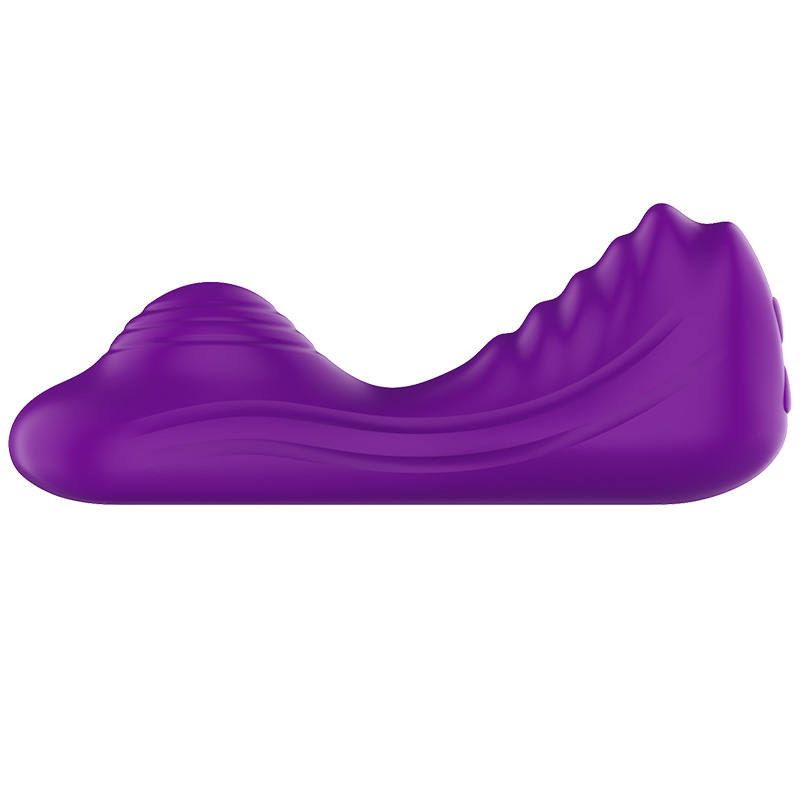
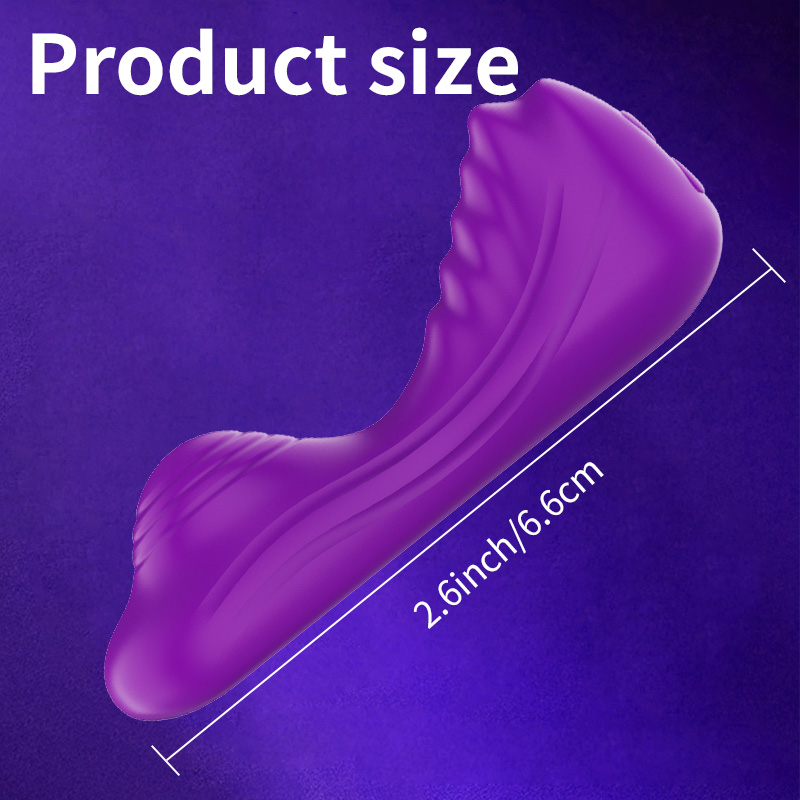

A Little Checklist for Alone Time
Try One Tonight
Make a cup of tea and sit with its aroma for 5 minutes. Take a hot shower and feel the water. Apply lotion, slowly massage yourself. Listen to instrumental music with your eyes closed. Place your hand on your chest and feel your heartbeat. Write three things you thank your body for today. Or — just lie there, doing nothing.
The Real Point
Real relaxation when alone isn’t about filling time with some activity. It’s about allowing yourself to return to yourself. Treat yourself like you would a good friend — give your body some attention, your brain some quiet, your heart some space.
Your Highlight Time starts with learning to be with yourself.