
When Pet Loss Grief Disrupts Intimacy in Your Relationship
Pet loss grief and intimacy are more closely connected than most couples realize. When a beloved animal dies, the sorrow can quietly reshape how partners relate to each other physically and emotionally — sometimes for weeks, sometimes much longer. If you and your partner are navigating this kind of loss and finding that closeness feels different now, you are not alone, and what you are feeling is entirely normal.
In this article, we explore how animal bereavement affects relationships, why grief and desire often pull in opposite directions, and what grief counselors recommend for couples who want to find their way back to each other — gently, and without rushing.
The Scene You Might Recognize
The house is quieter than it should be. There is no click of nails on the kitchen floor in the morning, no warm body curled at the foot of the bed at night. One of you cried openly; the other went still. You both loved this animal deeply, but the shape of your grief looks nothing alike. Evenings that once ended with easy conversation now feel hollow. One partner reaches for the other in bed — and the other turns away, not out of rejection, but because their body simply has nothing left to give. The distance is not intentional, but it is real.
This is what pet loss grief looks like inside a relationship. It does not arrive with instructions. It does not announce when it will leave. And it has a quiet, persistent way of settling into the spaces where intimacy used to live.
Why Does Grief After Losing a Pet Affect Your Desire?
Many people quietly wonder why the death of a pet could possibly affect their intimate life. After all, society still tends to minimize animal bereavement — “it was just a dog” or “you can get another cat.” But grief counselors know that the bond between a person and their pet is often one of the most unconditional relationships they will ever experience. Losing that bond triggers genuine bereavement, and bereavement changes the body.
Grief activates the sympathetic nervous system — the same stress response involved in trauma. Cortisol rises. Sleep fractures. Appetite shifts. The body enters a kind of protective withdrawal, prioritizing survival over connection. Desire, which requires a sense of safety and presence, often becomes one of the first things to go quiet.
According to grief counselors who specialize in animal bereavement and relationship dynamics, this is not a sign that something is wrong with your relationship. It is a sign that your nervous system is doing exactly what it was designed to do: pulling inward to process a significant loss.
What Grief Counselors Say About Pet Loss and Relationships
Professionals who work at the intersection of bereavement and couples therapy see this pattern regularly. When one partner is deep in grief and the other is ready to reconnect, a painful misalignment can develop — not because anyone is being selfish, but because grief moves on its own timeline.
“When a couple loses a pet, they are often grieving two different losses at the same time — the loss of the animal, and the loss of the rhythm their relationship had when that animal was alive. The pet was part of the household’s emotional architecture. Bedtime routines, morning walks, the way evenings were structured — all of it shifts. Intimacy struggles are not about desire disappearing. They are about the entire emotional landscape being redrawn.”
This insight is important because it reframes the problem. The issue is not that one partner wants closeness and the other does not. The issue is that grief has temporarily changed the conditions under which closeness feels possible. Grief and desire are not enemies — they simply require different things from the body at the same time.
Grief counselors also note that partners often grieve differently based on their attachment to the pet. If one person was the primary caregiver — the one who fed, walked, and slept beside the animal — their grief may be more visceral and embodied. The other partner may feel sad but recover more quickly, which can create guilt, frustration, or a sense of being emotionally out of sync.

How to Reconnect with Your Partner After Pet Loss Grief
Rebuilding intimacy after a shared loss does not mean forcing things back to normal. It means creating new conditions for closeness — ones that honor where both of you are right now. Here are approaches that grief counselors frequently recommend to couples navigating animal bereavement together.
1. Name the Loss Out Loud, Together
One of the most damaging dynamics after pet loss is silence — not hostile silence, but the kind that comes from not knowing what to say. Grief counselors encourage couples to create a small, deliberate space to talk about the animal they lost. Share a memory. Say the pet’s name. Acknowledge that the house feels different. This does not need to be a long conversation. Even a single honest sentence — “I really miss her tonight” — can do more for intimacy than any physical gesture, because it signals emotional availability.
2. Redefine Closeness for This Season
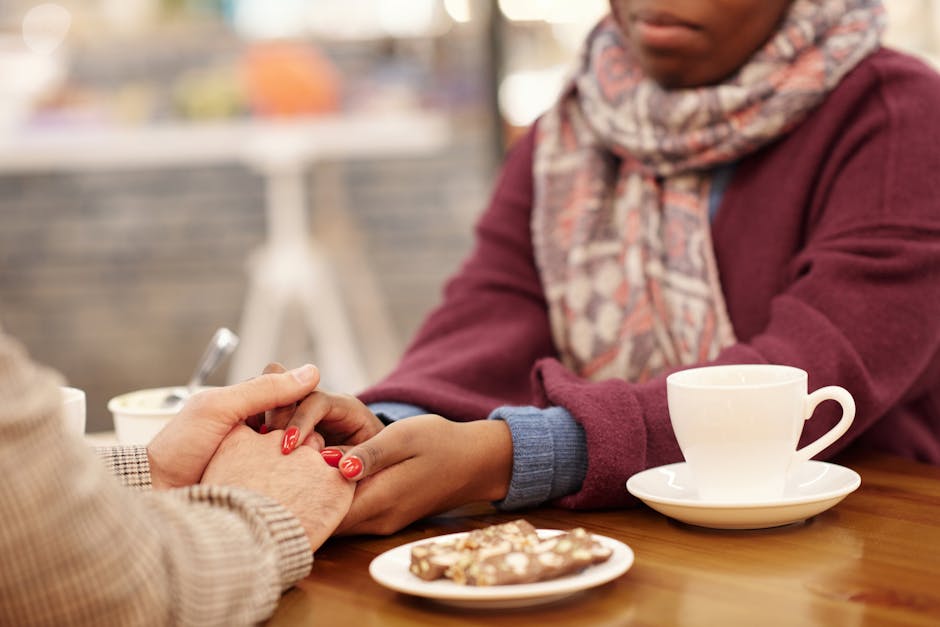
Intimacy is not one thing. During grief, physical desire may retreat, but the need for closeness often intensifies. Couples who navigate this well tend to expand their definition of intimacy during the grieving period. Holding hands on the couch. Sitting together without speaking. A long embrace before bed with no expectation of anything more. These are not lesser forms of connection — they are the foundation that physical intimacy eventually returns to. Let your body set the pace, and communicate openly about what feels right.
3. Resist the Urge to Fix Each Other’s Grief
When one partner is struggling, the other naturally wants to help — and sometimes “helping” looks like encouraging a return to normalcy. But grief counselors warn against treating intimacy as a cure for sadness. Saying “maybe it would help if we were close tonight” can feel dismissive to a grieving partner, even when it comes from love. Instead, try asking: “What would feel good to you tonight?” This question honors autonomy and opens a door without pushing anyone through it.
4. Watch for Grief That Gets Stuck
Most couples find that the disruption to their intimate life is temporary — a few weeks to a few months. But if one or both partners notice that grief has settled into something heavier — persistent numbness, withdrawal from all forms of connection, or a growing sense of isolation — it may be time to speak with a grief counselor or therapist. Prolonged grief disorder is a recognized clinical condition, and it deserves professional support. There is no shame in seeking help for a loss that others may not fully understand.
5. Create a Small Ritual of Remembrance
Many grief counselors recommend that couples create a shared ritual to honor their pet — lighting a candle on the anniversary, framing a favorite photo, or simply pausing together at the end of the day to acknowledge what the animal meant to the household. These rituals serve a dual purpose: they validate the grief, and they give the couple something to do together that is not about “getting back to normal” but about moving forward with the loss woven into their story.
You May Also Like
- How to Talk to Your Partner About Trying Something New
- After 18 Years, We Relearned Each Other
- How Couples Are Using Wellness Tech to Reconnect
Tonight’s Invitation
If you are grieving a pet right now — or if your partner is — consider this: tonight, before bed, sit together for just two minutes. You do not need to talk about the loss. You do not need to talk at all. Just be in the same room, in the same quiet, and let your presence be enough. Place a hand on your partner’s arm or shoulder. Breathe. That small gesture of proximity, freely given and freely received, is intimacy in its most honest form.
A Final Thought
Pet loss grief and intimacy may seem like they belong in separate conversations, but they meet in the body — in the way your chest tightens when you pass the empty bed, in the way your partner’s touch lands differently when your nervous system is still processing a goodbye. Grief does not destroy closeness. It asks closeness to change shape for a while. And couples who let it — who give each other room to be sad, to be slow, to be out of sync — often find that what returns is not the same intimacy they had before, but something deeper. Something that knows how to hold loss and love in the same breath. Be gentle with yourselves. You are doing harder work than most people will ever see.