


Jealousy in Relationships: How to Turn It Into Honest Talk
Jealousy in relationships is one of the most misunderstood emotions couples face. Rather than a flaw, it often signals unmet needs and a deep desire for closeness. Psychotherapists explain how to turn moments of insecurity into honest communication that strengthens trust and deepens connection between partners.

How to Talk About an Open Relationship: A Therapist’s Guide
Talking about an open relationship with your partner requires honesty, emotional safety, and care. This sex therapist-informed guide walks you through how to start the conversation about ethical non-monogamy and different relationship structures — without ultimatums, shame, or pressure — so both of you feel heard.


Emotional Flooding: How to Stay Calm in Hard Conversations
Emotional flooding is the overwhelming wave of feeling that hijacks your ability to think, listen, or respond during difficult conversations. Learn what relationship coaches recommend for self-regulation, why your nervous system reacts the way it does during conflict, and practical ways to stay grounded when couples communication feels impossible.

Supporting a Partner With Sexual Dysfunction: What Love Looks Like When the Body Says Wait
When a partner experiences sexual dysfunction, the silence and confusion can feel heavier than the condition itself. With guidance from sex therapists, this piece explores what it truly means to stay connected — emotionally and physically — when the body asks both of you to slow down and reimagine intimacy together.

Intimacy After Pregnancy Loss: What No One Tells You About Grieving Together
Pregnancy loss transforms intimacy in ways few couples expect. The body grieves, hormones shift, and the closeness that once felt effortless can suddenly feel fragile. With insight from OB-GYNs and gentle, practical guidance, this piece explores how couples can navigate grief and reconnection — not on a timeline, but on their own terms.

How to Cope With Guilt Over Different Libidos
When partners experience different levels of desire, guilt often follows — quietly, persistently. Developed with insights from licensed sex therapists, this piece explores why libido guilt is so common, why it is not a sign of failure, and how couples can replace shame with self-compassion and honest connection.
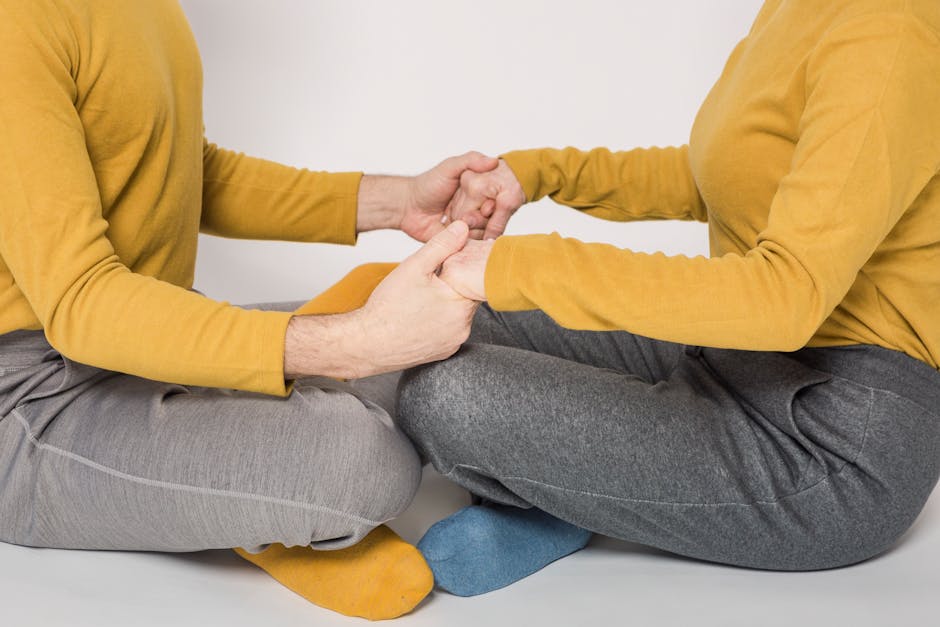
After Long Distance: Surviving the Reunion ‘Adjustment Period’
The reunion after long distance is supposed to feel like a homecoming — but for many couples, it brings an unexpected adjustment period filled with awkwardness, mismatched rhythms, and quiet doubt. Intimacy therapists explain why this transition is not only normal but necessary, and how couples can navigate the shift from screen-mediated love to shared physical space with patience and honesty.

How to Heal When One Partner Is Hurt During Intimacy
When intimacy causes unexpected hurt, the silence that follows can feel impossible to break. This expert-guided exploration walks through what healing looks like after an intimacy injury — from naming the pain without blame, to rebuilding trust at the body's own pace, to understanding why professional support matters more than most couples realize.

How to Handle the ‘Distant Feeling’ After Intimacy
That quiet distance after intimacy — when closeness suddenly gives way to silence — is one of the most common yet least discussed emotional experiences in relationships. Sex psychologists explain why this neurochemical and psychological shift happens, what it reveals about attachment and vulnerability, and how small, intentional afterglow practices can turn moments of disconnection into deeper understanding.

When Your Partner Is ‘Too Quiet’ in Bed: How to Communicate
When a partner is quiet during intimate moments, it can stir confusion and self-doubt. But silence is not always distance — it can be deep presence. Sex therapists explain why some people go quiet during closeness, what it really means, and how couples can build a shared language of intimacy communication that honors both partners' needs.