The Conversation We Never Had
There is a question that millions of adults carry quietly — one that sits somewhere between curiosity and shame, between health and taboo. Is self-pleasure healthy? Despite living in an age of unprecedented openness about mental health and physical wellness, this particular corner of human experience remains cloaked in silence. The truth, according to medical professionals, is far more affirming than most of us were ever taught to believe.
In this piece, we explore what urologists and sexual health experts actually say about self-pleasure — not through the lens of morality or cultural pressure, but through the clear, compassionate lens of science. What you will find may quietly change the way you think about your own body, your stress, and your relationship with yourself.
A Late Evening You Might Recognize
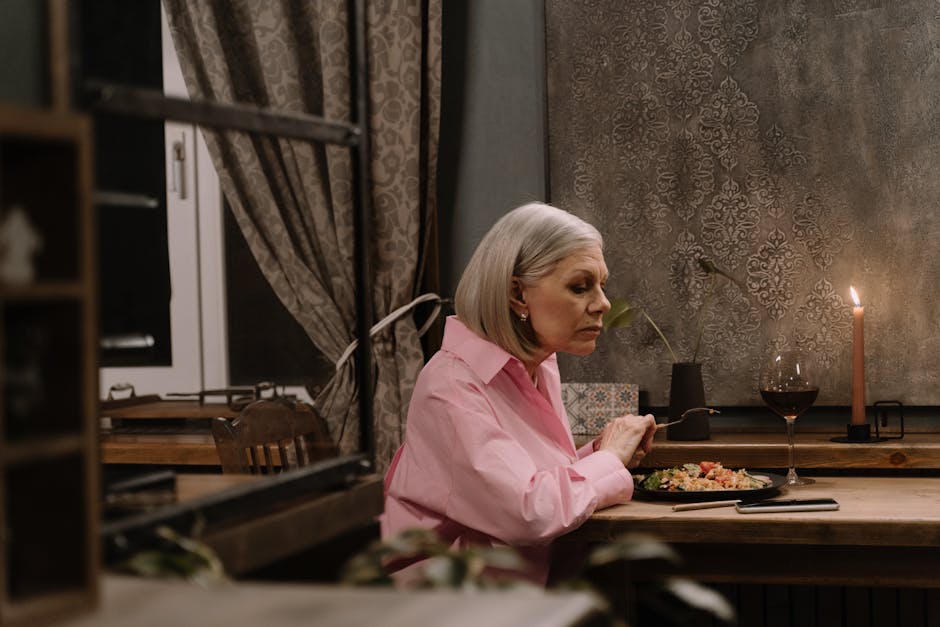
It is a Wednesday night. The apartment is finally still. You have answered the last email, washed the dishes, brushed your teeth. You are lying in bed with the lights low, scrolling through nothing in particular, feeling the tension of the day still sitting in your shoulders, your jaw, your chest. You are tired but not sleepy. Restless but not energized. Your body wants something, but your mind is not sure what to call it.
Maybe you reach for your phone again. Maybe you try a breathing exercise. Maybe you simply stare at the ceiling and wait for sleep to come. But somewhere beneath the noise of routine, there is a quieter impulse — one that has nothing to do with anyone else. One that is entirely yours. And in that moment, a familiar question surfaces: is this okay? Is this actually good for me?
The Question That Lingers in the Dark
For many adults, the relationship with self-pleasure is complicated not because the act itself is confusing, but because the messaging around it has been. Generations of cultural narratives — some religious, some medical, some simply inherited through silence — have left a residue of doubt. Even people who intellectually understand that self-pleasure is normal may still feel a small pang of guilt or uncertainty afterward.
This is not a personal failing. It is a cultural one. And it is precisely why the medical perspective matters so much. When we strip away the inherited shame and look at what the body is actually doing — what the nervous system is experiencing, what hormones are being released, what tension is being processed — the picture that emerges is remarkably clear.
Self-pleasure is not something the body merely tolerates. It is something the body is designed to benefit from.
What Urologists and Medical Experts Actually Say
The medical community has studied the health effects of self-pleasure for decades, and the consensus among urologists and sexual health professionals is both consistent and reassuring. Far from being a source of harm, regular self-pleasure is associated with a range of physical and psychological benefits that many people never learn about.
“From a urological standpoint, self-pleasure is a normal part of human physiology. It supports pelvic floor health, promotes healthy circulation, and can play a meaningful role in stress reduction and sleep quality. There is no credible medical evidence that it causes harm in healthy adults — and a growing body of research suggests it is actively beneficial.”
According to urologists, one of the most well-documented benefits is stress relief. During self-pleasure, the body releases a cascade of neurochemicals — including dopamine, oxytocin, and endorphins — that actively counteract the effects of cortisol, the body’s primary stress hormone. This is not a metaphor. It is measurable biology. The relaxation that follows is not imagined; it is a genuine physiological shift.
For men specifically, research published in urological journals has shown a correlation between regular ejaculation and reduced risk of prostate-related concerns. For women, urologists and gynecologists note that self-pleasure can help maintain vaginal health, reduce menstrual discomfort, and strengthen pelvic floor muscles. These are not fringe findings — they are part of mainstream sexual wellness education in medical schools around the world.
Experts in this field also emphasize the mental health dimension. Self-pleasure can serve as a form of body awareness — a way of reconnecting with physical sensation in a culture that often encourages us to live entirely in our heads. For people recovering from trauma, navigating body image challenges, or simply trying to understand what feels good and safe, it can be a gentle, private practice of self-knowledge.
Perhaps most importantly, urologists stress that self-pleasure health is not just about the absence of harm. It is about the presence of benefit. It is a form of self-care that costs nothing, requires no equipment, and belongs entirely to the individual.

Practical Ways to Begin Reframing Your Relationship with Self-Pleasure
If you have spent years carrying quiet doubt about whether self-pleasure is healthy, shifting that narrative does not happen overnight. But it can begin with small, intentional steps — not toward any particular act, but toward a kinder, more honest relationship with your own body.
1. Notice the Stories You Carry
Before changing anything about your behavior, simply observe the thoughts that arise when you think about self-pleasure. Are they your own, or were they handed to you? Many adults discover that their discomfort is not based on personal experience but on inherited scripts — things they were told as children, implied by silence, or absorbed from culture. You do not have to argue with these stories. Just noticing them is the first step toward loosening their grip.
2. Reframe Self-Pleasure as Body Awareness
One of the most powerful shifts you can make is to stop thinking of self-pleasure as purely sexual and start thinking of it as a form of physical self-awareness. Just as you might stretch to understand where you hold tension, or meditate to notice your thought patterns, self-pleasure can be a way of checking in with your body. What feels good? What feels neutral? What do you notice when you slow down and pay attention? This is not indulgence — it is information. And according to sexual wellness facts supported by research, this kind of embodied awareness is linked to better emotional regulation, improved body image, and stronger intimate relationships.
3. Create Conditions of Comfort, Not Performance
If you choose to explore self-pleasure more intentionally, let go of any expectation about what it should look like or how it should end. This is not a performance. There is no audience. The goal is not a specific outcome but a quality of attention — warmth, curiosity, gentleness. Dim the lights if that feels right. Take a bath first. Put on music that makes you feel calm. Treat the experience the way you would treat any other form of self-care: as something you deserve, not something you need to justify.
4. Let Science Replace Shame
When doubt creeps in, return to the facts. Is masturbation healthy? The medical answer is yes — overwhelmingly, consistently, and without qualification for healthy adults. Remind yourself that the hormones your body releases during self-pleasure are the same ones released during exercise, laughter, and deep connection. Your body is not making a mistake. It is doing exactly what it was designed to do.
5. Talk About It — Even Just with Yourself
Shame thrives in silence. You do not need to broadcast your private life, but finding even one safe space to acknowledge this part of your experience — whether in a journal, with a therapist, or with a trusted partner — can be profoundly freeing. Naming something honestly is one of the most effective ways to strip it of its power to cause guilt. Many therapists who work in the sexual wellness space note that simply saying the words aloud, without judgment, can begin to dissolve years of internalized stigma.
Tonight’s Invitation
Tonight, before you fall asleep, try this: place one hand on your chest and one on your stomach. Close your eyes. Breathe slowly and notice what your body is telling you. Not what it wants you to do — just what it feels. Warmth. Tension. Calm. Restlessness. Whatever you notice, let it be there without judgment. This is not about reaching any destination. It is simply about listening. Your body has been speaking to you your whole life. Tonight, give it a few minutes of your full, unhurried attention. That is where every meaningful relationship with yourself begins — with the willingness to pay attention.
A Final Thought
You did not come to this article because something is wrong with you. You came because something in you is awake — a curiosity, a desire to understand yourself more honestly, a quiet refusal to keep carrying someone else’s discomfort as your own. That takes courage, even when it does not feel like it. The science is clear: self-pleasure is a healthy, normal, and beneficial part of being human. But beyond the studies and the expert opinions, there is something simpler and perhaps more important — the idea that you are allowed to feel good in your own body, on your own terms, without apology. That is not a medical finding. That is a form of freedom. And it has been yours all along.