Why Slow Living Is the Key to Reconnecting with Desire
Slow living and desire are more connected than most people realize. When life moves at the pace of push notifications and packed calendars, it is easy to lose touch with what you actually want — not just sexually, but emotionally, sensorially, in your whole body. Mindfulness teachers increasingly point to the speed of modern culture as a root cause of disconnection from desire, pleasure, and authentic intimacy.
This is not about productivity hacks or another self-improvement checklist. It is about something quieter: learning to be present enough to feel again. In this guide, we explore why slowing down may be the single most effective thing you can do to restore your relationship with desire — and with yourself.
The Morning That Feels Like Everyone Else’s
Picture this. You wake to an alarm, reach for your phone before your eyes fully open, and scroll through a feed of other people’s lives before you have registered your own. Coffee is grabbed, not savored. You move through the morning routine like a person checking boxes — shower, dress, commute, respond, perform. By noon, you have been productive. You have also not once paused to notice how your body feels, what it might want, or whether the low hum of tension in your shoulders has been there for days or weeks.
By evening, when the possibility of connection arises — with a partner, or even with yourself — there is nothing left. Not because desire is gone, but because the channel through which you receive it has been flooded with noise all day. The signal cannot get through. This is the scene millions of adults live inside without naming it. And it is precisely where the conversation about slow living and desire begins.
Why Do I Feel Disconnected from Desire in My Daily Life?
If you have ever wondered why desire seems to vanish during your busiest seasons, you are not alone — and you are not broken. Feeling disconnected from desire is one of the most common quiet struggles among adults who are otherwise healthy, in stable relationships, and functioning well by external measures. The question is rarely about libido in isolation. It is about the pace at which you are living and whether that pace leaves any room for the slower, subtler signals your body sends.
Desire does not arrive on a schedule. It is not a task you can will into being between loading the dishwasher and answering one last email. It requires a particular internal climate — a quality of attention, a softness in the nervous system, a willingness to linger. When that climate is constantly disrupted by urgency and overstimulation, desire retreats. Not because it has died, but because it has nowhere safe and spacious enough to surface.
This is what makes the cultural conversation around slow living so relevant to intimate wellness. Slowing down is not a luxury. For many people, it is the prerequisite for feeling anything at all.
What Mindfulness Teachers Actually Say About Slow Living and Desire
Mindfulness practitioners and teachers have long observed the relationship between pace and presence — and between presence and pleasure. According to mindfulness teachers who work with individuals and couples, the inability to access desire is frequently not a medical issue but an attention issue. The body is ready. The mind is elsewhere.
“Desire is a form of listening. It asks you to be still enough to hear what your body is telling you. In a culture that rewards constant doing, stillness feels unproductive — even dangerous. But it is in that stillness that desire lives. When we teach people to slow down, we are not teaching them to do less. We are teaching them to feel more.”
This perspective reframes the entire conversation. Rather than asking “What is wrong with my desire?” the more useful question becomes “What conditions does my desire need in order to show up?” Mindfulness teachers consistently point to three conditions: safety in the body, spaciousness in time, and genuine presence — the kind of attention that is not multitasking or performing, but simply being with what is.
These are not exotic requirements. They are basic human needs that modern life systematically deprives us of. And when we begin to restore them, desire often returns without any other intervention at all.

Practical Ways to Embrace Slow Living and Reconnect with Desire
You do not need to move to the countryside or quit your job to practice slow living. The shift is internal before it is logistical. Below are five practices that mindfulness teachers recommend for creating the conditions where desire can re-emerge naturally.
1. Build a Daily Pause That Has No Purpose
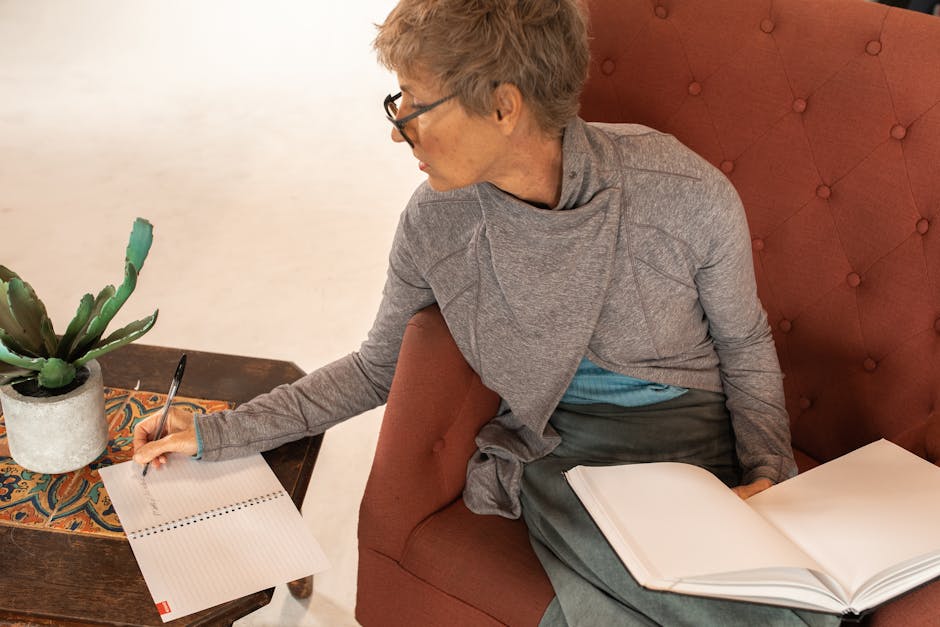
Set aside five to ten minutes each day where you do absolutely nothing productive. No meditation app, no journaling prompt, no guided breathing — just you, sitting or lying still, with nothing to accomplish. The point is to let your nervous system experience purposelessness. This is uncomfortable at first because modern culture has trained us to see idle time as wasted time. But this purposeless pause is where the body begins to speak. You might notice tension you have been carrying. You might notice a craving — for touch, for warmth, for quiet. These are the whispers of desire returning. Do not analyze them. Just notice.
2. Practice Sensory Slowness with Everyday Activities
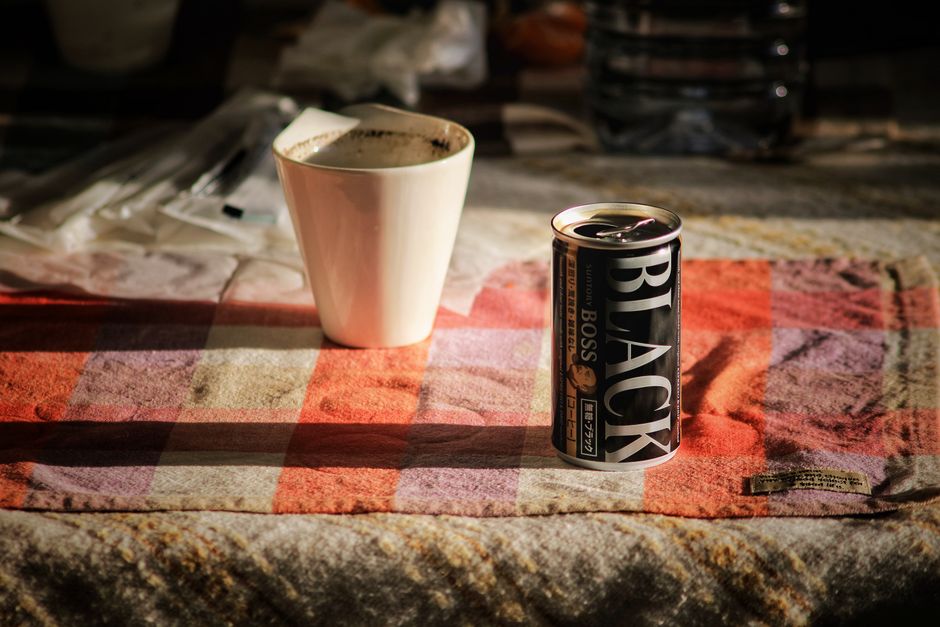
Choose one daily activity — drinking your morning coffee, taking a shower, applying lotion to your hands — and do it at half your usual speed. Pay attention to temperature, texture, scent, and pressure. This is not a relaxation exercise. It is a retraining of attention. When you practice being fully present with small sensory experiences, you rebuild the neural pathways that allow you to be present during more intimate ones. Mindfulness teachers call this “sensory re-entry” — the gradual return to a body you have been living above rather than inside.
3. Create a Technology Boundary Around Your Evenings
The hours between dinner and sleep are when most people have the opportunity for connection — with a partner or with themselves. They are also the hours most heavily colonized by screens. Try establishing a firm boundary: no phones, laptops, or tablets after a set time. Even thirty minutes of screen-free evening time can shift the entire quality of your night. Without the blue light and the dopamine cycle of scrolling, your body begins to settle into a slower rhythm. This is the rhythm in which desire naturally lives. You are not forcing anything. You are simply clearing the space.
4. Have One Slow Conversation Per Week
With a partner, a close friend, or even yourself in a journal — have one conversation each week where you are not trying to solve a problem, plan logistics, or get to a point. Let the conversation meander. Ask open-ended questions: How are you really feeling lately? What have you been wanting that you have not said out loud? These slow conversations rebuild emotional intimacy, which is the foundation upon which physical desire often rests. When we feel truly heard, the body opens. When we are rushing through our words, it closes.
5. Redefine What Counts as Intimate
One of the most powerful shifts mindfulness teachers encourage is expanding your definition of intimacy beyond the sexual. A long embrace in the kitchen. Eye contact held for a few extra seconds. Sitting in silence together without reaching for a distraction. These micro-moments of slow connection accumulate. They tell your nervous system that closeness is safe, that presence is welcome, that there is no rush. Over time, they lower the threshold for desire — making it easier to access, not because you forced it, but because you created a life that has room for it.
You May Also Like
- How to Actually Relax When You Are Alone
- A 10-Minute Bedtime Ritual for Better Sleep and Connection
- The Science of Sensory Wellness and Touch Therapy
Tonight’s Invitation
Tonight, try this: after you finish your last task of the day, sit or lie down somewhere comfortable and set a timer for five minutes. Do not pick up your phone. Do not plan tomorrow. Just breathe and let your body tell you what it noticed today that you missed. Maybe it is the warmth of the blanket against your skin. Maybe it is a quiet ache for closeness. Whatever surfaces, let it be there without judgment. This is not a practice you need to get right. It is simply a door you leave open — and sometimes, desire walks through it on its own.
A Final Thought
Slow living is not a trend to adopt. It is a return to something your body has always known — that presence is the foundation of pleasure, that stillness is not emptiness but fullness waiting to be felt. In a culture that measures worth by speed, choosing to slow down is a radical act of self-care. And within that slowness, you may find that desire was never missing. It was just waiting for you to be quiet enough to hear it. You deserve that quiet. You deserve that reconnection. And it begins not with doing more, but with allowing yourself, finally, to do a little less.