

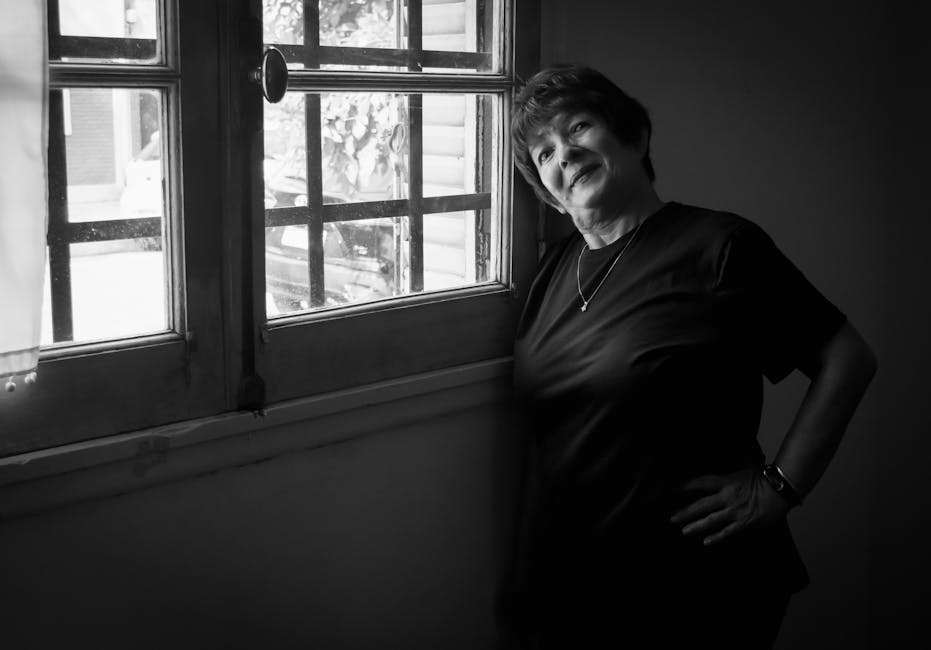
Elderly Sexuality Is More Common — and More Important — Than Most Families Realize
Elderly sexuality remains one of the most overlooked aspects of aging well. Research consistently shows that many adults in their seventies, eighties, and beyond maintain active intimate lives — yet families, caregivers, and even healthcare providers often treat the topic as invisible. Geriatricians say this silence does real harm. Understanding and normalizing elderly sexuality is essential to supporting the emotional health, dignity, and quality of life of aging loved ones.
In this article, we explore what geriatric specialists actually observe in clinical practice, why families struggle to acknowledge this dimension of aging, and how small shifts in attitude can make a profound difference. Whether you are an adult child, a caregiver, or someone navigating your own intimate life in later years, this conversation is long overdue.
A Scene That Happens More Often Than You Think
Picture a Tuesday morning at an assisted living community. A woman in her early eighties walks slowly down the hallway holding hands with her partner. A staff member smiles politely but glances away. Her adult daughter, visiting later that day, notices a second pillow on the bed and feels a flush of discomfort she cannot quite name.
No one says anything. No one asks a question. And the quiet avoidance sends a message: this part of your life is something we would rather not see. It is a scene that plays out in care facilities, family homes, and doctor’s offices every single day — and it carries a weight that most families never examine.
Is It Normal for Older Adults to Still Want Intimacy?
This is the question that lingers beneath the surface of so many family conversations. Adult children find themselves caught between intellectually understanding that their parents are whole human beings and emotionally struggling with the reality of elderly sexuality in practice. The discomfort is understandable — but it often leads to behavior that diminishes an older person’s autonomy.
According to a landmark study published in the New England Journal of Medicine, more than half of adults aged 65 to 74 reported being sexually active, and nearly a quarter of those aged 75 to 85 did as well. These numbers challenge the cultural assumption that desire simply disappears with age. It does not. It evolves, adapts, and sometimes deepens — but it does not vanish.
What changes is the conversation around it. Or rather, the absence of conversation. Geriatric specialists consistently report that patients rarely bring up sexual health on their own — not because they have no concerns, but because they assume no one wants to hear about them.
What Geriatricians Actually Say About Elderly Sexuality
Geriatric medicine sits at the intersection of physical health, cognitive wellness, and emotional vitality. And within that framework, geriatricians increasingly recognize that aging sexual wellness is not a luxury concern — it is a clinical one. Intimacy affects cardiovascular health, mood regulation, pain perception, and even cognitive resilience.
“When we ignore elderly sexuality in clinical settings, we are not being polite — we are being negligent. Intimacy is a vital sign of emotional and physical health. If a patient stops being intimate and we never ask why, we may miss depression, medication side effects, or relationship distress that we could actually help with.”
This perspective — shared widely among geriatric specialists — reframes the issue entirely. Elderly sexuality is not something to tolerate or look past. It is a meaningful indicator of how well someone is aging, and it deserves the same clinical attention as blood pressure or bone density.
Geriatricians also point out that many common medications prescribed to older adults — including antidepressants, blood pressure medications, and certain pain relievers — can significantly affect libido, arousal, and sexual function. Without open dialogue, these side effects go unreported and untreated, quietly eroding quality of life.

Practical Ways to Support Aging Sexual Wellness in Your Family
Normalizing geriatric intimacy does not require graphic conversations or dramatic gestures. It starts with small, respectful shifts in how we think, speak, and respond. Here are approaches that geriatric specialists recommend to families and caregivers.
1. Let Go of the Discomfort Response
When an aging parent mentions a romantic interest, references physical affection, or asks a question about intimacy, notice your internal reaction before you respond. The instinct to change the subject, laugh nervously, or redirect is strong — but it communicates shame. Practice staying present. A simple “That sounds lovely” or “Tell me more about that” can validate years of unspoken need. Geriatricians note that patients who feel heard by their families are far more likely to bring up sexual health concerns with their doctors, which leads to better overall care.
2. Advocate for Inclusive Healthcare Conversations
If you accompany an elderly parent or loved one to medical appointments, consider whether sexual health is part of the conversation. Many older adults will not raise the topic themselves, and unfortunately, many physicians skip it too. You do not need to be the one asking the clinical questions — but you can create space. Saying something like, “Mom, if there is anything private you want to discuss with the doctor, I am happy to step out,” gives permission without pressure. This one sentence can unlock conversations about medication side effects, hormonal changes, or emotional needs that directly relate to aging sexual wellness.
3. Respect Privacy in Living Arrangements
Whether your loved one lives independently, with family, or in a care setting, their right to privacy around intimacy does not diminish with age. Geriatric specialists emphasize that institutional and family environments often inadvertently strip older adults of private space and time. If your parent is in assisted living, ask about the facility’s policies around intimate relationships — and advocate for ones that treat residents as autonomous adults. At home, this may mean respecting closed doors, not monitoring a widowed parent’s social life too closely, and recognizing that new romantic connections in later life are healthy, not threatening.
4. Educate Yourself on Age-Related Changes
Understanding how the body changes with age can help demystify elderly sexuality and reduce the impulse to pathologize it. Hormonal shifts, changes in arousal patterns, and physical limitations are all normal parts of aging. They do not signal that intimacy should end — they signal that it may look different. Geriatric specialists often compare this to the way exercise evolves with age: a person who once ran marathons may now walk daily, and both forms of movement are valuable. The same principle applies to intimacy. Slower, more intentional, and adapted to what the body allows is not lesser — it is simply mature.
5. Address Cognitive Decline with Nuance
One of the most sensitive intersections in geriatric intimacy involves cognitive decline. When a loved one has dementia or early-stage Alzheimer’s, questions about consent and capacity become genuinely complex. Geriatricians urge families to work with care teams rather than making unilateral decisions about an aging person’s intimate life. Blanket prohibitions can be just as harmful as neglect. The goal is to protect dignity and safety simultaneously — and that requires ongoing, individualized assessment rather than one-size-fits-all rules.
You May Also Like
- Aging Body Changes: Acceptance and Exploration in Intimate Wellness
- Alzheimer’s and Intimacy: Maintaining Connection as a Caregiver
- Chronic Illness and Intimacy — A Health Psychologist’s Guide
Tonight’s Invitation
If you have a parent, grandparent, or older loved one in your life, consider one small thing: the next time they mention a companion, a desire, a memory that hints at their intimate self, let yourself stay in the conversation. Do not redirect. Do not perform comfort you do not feel. Simply listen. That single act of presence may be the most generous gift you offer them this year — a quiet recognition that they are still fully, beautifully human.
A Final Thought
Elderly sexuality is not a problem to manage. It is a dimension of personhood that persists across every decade of life. When we refuse to see it, we do not protect anyone — we isolate them. And when we choose to normalize it, even imperfectly, even awkwardly, we extend to our aging loved ones something they have always deserved: the right to be known completely. That kind of care does not require medical expertise. It requires only the willingness to see someone as whole — at every age, in every season, for as long as they are here.



